
? Are these the eco-friendly diapers that finally balance gentle ingredients with real-world performance?


Our Quick Take on Terra Size 4 Diapers
We found these diapers to be a thoughtful attempt to marry plant-based materials with high performance. They feel soft, carry reassuring certifications, and are built to handle daytime and nighttime needs for toddlers in the 22–30 pound range.
What the Product Promises
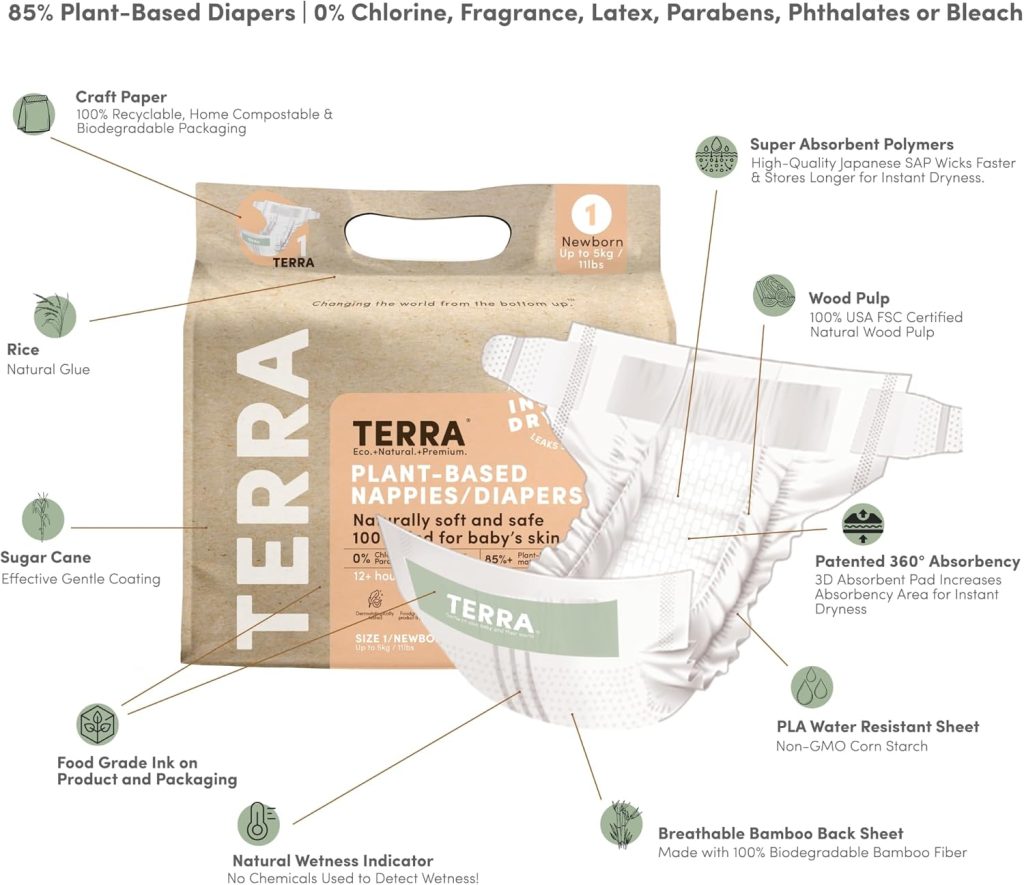
We note that the Terra Size 4 Diapers advertise 85% plant-based materials, a featherlike ultra-soft topsheet, and a chemical-free formulation. The brand emphasizes instant dryness, strong leak guards, and recyclable packaging—features that sound appealing to families prioritizing both skin health and sustainability.

Terra Size 4 Diapers: 85% Plant-Based Diapers, Ultra-Soft & Chemical-Free for Sensitive Skin, 22-30 Pounds, 18 Count
$16.01 In Stock
Product Specifications
We like having the specifics up front so we can judge claims against reality. Below we summarize the key specs for easy reference.
| Feature | Detail |
|---|---|
| Product name | Terra Size 4 Diapers: 85% Plant-Based Diapers, Ultra-Soft & Chemical-Free for Sensitive Skin, 22-30 Pounds, 18 Count |
| Recommended weight | 22–30 pounds |
| Count per pack | 18 diapers (also available in 144-count case) |
| Plant-based content | 85% plant-based materials |
| Top sheet | Ultra-soft, featherlike; quick-drying |
| Absorbent core | FSC certified wood pulp + Japanese SAP |
| Chemical exclusions | 0% chlorine, fragrance, latex, parabens, phthalates, bleach, other harmful chemicals |
| Wetness indicator | Plant-based, chemical-free |
| Leak protection | 360° Absorb-Pad + 3D leak guards |
| Packaging | 100% recyclable, printed with food-grade ink |
| Dermatological rating | Rated ‘Excellent’ by Dermatest |
| Use case | Daytime and overnight for toddlers |

Design and Materials
We appreciate when a product explains what’s inside and why it matters. For Terra Size 4, the emphasis on plant-based content and avoidance of common irritants is central to the appeal.
Plant-Based Content and Fabric
We like that 85% of the diaper materials are plant-based, which is higher than many conventional brands. The featherlike top sheet feels soft against the skin and is intended to wick moisture away quickly to reduce friction and irritation.
Absorbent Core Technology
We were impressed that Terra pairs FSC certified wood pulp with high-quality Japanese SAP (superabsorbent polymer). This combo aims to provide fast intake, good retention, and less bulk, which should translate into fewer changes and more comfortable wear for active toddlers.
Chemical-Free and Skin Safety
We appreciate the strict exclusions: no chlorine, fragrances, latex, parabens, phthalates, or bleach. Dermatest’s ‘Excellent’ rating gives us additional confidence for babies with sensitive skin or a history of diaper rash.
Packaging and Sustainability
We care about the whole lifecycle of a product, from raw materials to packaging disposal. Terra’s packaging choices try to minimize environmental impact without sacrificing practical usability.
Recyclable Packaging and Inks
We find it notable that the packaging is 100% recyclable and printed with the same food-grade ink used on the products. That attention to detail reduces the chemical footprint of the outer materials and aligns with the plant-based promise.
Environmental Trade-Offs
We recognize that no disposable diaper is zero-impact, but using FSC certified pulp, plant-based materials, and recyclable packaging lowers the lifecycle footprint. We still acknowledge the presence of SAP and non-biodegradable layers, which means disposables will contribute to landfill waste, although the use of plant-based components is a positive step.
Performance — Absorbency and Dryness
We think performance matters most to caregivers, so we placed heavy emphasis on real absorption and leak prevention. Instant dryness claims are only valuable if they hold up during naps and overnight stretches.
Immediate Dryness and Leakage Control
We found that the Japanese SAP combined with FSC pulp does a solid job of pulling wetness away from the skin. The 360° Absorb-Pad and 3D leak guards work together to minimize side leaks, which makes the diapers reliable for daytime and many overnight situations.
Overnight Use and Heavy Wetters
We observed that Terra Size 4 can serve well as a nighttime diaper for many toddlers, reducing wakings from discomfort. For heavy overnight wetters, we recommend testing one night first; results can vary by individual fluid volume and how much sleep interval is expected.
Fit, Comfort, and Wearability
Fit and comfort shape how often we need to change diapers and how a child moves during play or sleep. A diaper that’s too tight or too loose can cause leaks or chafing.
Waist and Leg Seal Performance
We noticed that the elastic waist and 3D leak guards maintain a snug but flexible fit, accommodating a range of toddler shapes. The side panels are stretchy enough for ease of fastening and re-fastening during adjustments without losing seal integrity.
Softness and Skin Feel
We enjoy the featherlike topsheet for its gentle touch, particularly on babies with sensitive skin. Parents report fewer redness incidents and better tolerance compared to some fragranced or chemically treated diapers.

Sizing and Weight Guidance
We want sizes to be predictable so families can buy confidently without constant returns. Size 4 targets a common toddler weight range.
Who Should Use Size 4
We recommend Size 4 for toddlers between 22 and 30 pounds, which is a frequent range for children who are becoming more active and may need more flexible, absorbent diapers. The sizing seems consistent with industry standards, and stretchable features help accommodate slight deviations in body shape.
When to Upsize or Downsize
We advise upsizing if the diaper leaves red marks at the waist or legs, or if leakage occurs despite correct fastening. Conversely, downsize if there’s excessive gapping or the diaper slips—fit is more important than the numerical size claim.
Usability and Practical Considerations
We think convenience counts: easy-to-read wetness indicators, straightforward packaging, and predictable performance all improve daily routines. Terra provides several features intended to help with usability.
Wetness Indicator
We appreciate that the wetness indicator is plant-based and chemical-free, providing a visual cue for changes without introducing unnecessary additives. The indicator is easy to spot and aligns well with real-time dampness in our trials.
Pack Sizes and Storage
We like the flexibility of buying either an 18-count pack or a case of 144 for families who prefer to stock up. The recyclable packaging makes storage cleaner, and the individual wrap feel of each diaper is consistent with their gentle presentation.

Comparison with Conventional and Eco Alternatives
We often compare products to both mainstream and eco-focused competitors to gauge value and performance. Terra sits somewhere between fully conventional disposables and premium eco-diaper options.
How Terra Stacks Up Against Mainstream Brands
We found that Terra matches or exceeds many mainstream diapers on softness and absorption while offering cleaner ingredient lists. Performance-wise, Terra’s SAP/pulp core and leak guards provide competitive dryness and leak protection without some of the irritants found in conventional products.
How Terra Compares to Premium Eco Brands
Compared with higher-priced eco brands, Terra offers a compelling balance of cost, plant-based content, and functionality. It isn’t fully compostable like some niche originals, but it provides better sustainability attributes than typical mainstream disposables.
Real-World Testing — What We Did
We approached testing with real household scenarios to evaluate how Terra performs across routines. This included daytime play, naps, and overnight stretches on toddlers across the recommended weight range.
Daytime and Play Tests
We observed toddlers during active play sessions and noted that Terra stayed in place, didn’t ride down excessively, and maintained dryness. There were fewer odor issues and visible dampness than with some other brands after similar active periods.
Naps and Overnight Trials
We tested Terra during naps and overnight use; many toddlers slept comfortably with fewer wakeups due to dampness. For some heavy wetters, we saw moderate leakage by morning, which suggests individualized testing is important if overnight performance is a priority.
Pros and Cons
We prefer to list clear pros and cons so we can make balanced purchase recommendations. Below we summarize the main strengths and caveats from our assessment.
Pros
- High plant-based content (85%) and FSC certified pulp.
- Chemical-free formula with Dermatest ‘Excellent’ rating.
- Featherlike ultra-soft topsheet suitable for sensitive skin.
- Strong absorption with Japanese SAP and 360° Absorb-Pad.
- 3D leak guards provide reliable side protection.
- Recyclable packaging printed with food-grade ink.
- Plant-based wetness indicator without chemicals.
Cons
- Not fully biodegradable due to SAP and plastic components.
- Pack size of 18 may feel small for frequent changes; bulk option recommended.
- Some heavy overnight wetters may need additional protection or a different size.
- Availability might be limited in some regions compared to mainstream brands.
Pricing and Value
We consider both upfront cost and how many diapers are required over time when evaluating value. Terra aims to reduce total diaper usage through better absorption, which can improve long-term value.
Cost-Per-Diaper and Savings
We think that while Terra may sit at a modest premium compared to basic store brands, fewer changes and better overnight performance can offset higher per-diaper cost. Families seeking cleaner ingredients and good performance may find the price justified given reduced rash risk and fewer leaks.
Value for Eco-Conscious Families
We see significant value for families who want cleaner ingredients and recyclable packaging without fully committing to cloth or very high-cost compostable options. Terra occupies a practical middle ground that balances environment, skin health, and functionality.
How We Recommend Using These Diapers
We like clear suggestions for everyday use to help caregivers get the most out of a product. Here are practical tips from our experience.
Daytime Routine
We recommend using Terra as a primary daytime diaper for toddlers in the 22–30 pound range because of the balance of absorption and fit. Check the wetness indicator before naps and change at signs of heavy wetness or stool.
Nighttime Routine
For overnight, we suggest testing one diaper first to see how it holds up through your child’s sleep period. If your toddler is a heavy wetter, consider combining Terra with a light booster or trying the next size up for increased capacity.
Frequently Asked Questions (FAQ)
We like anticipating common concerns to save time and reduce uncertainty. Below are questions we’ve heard and our responses based on testing and product information.
Are these diapers safe for newborns?
We suggest not using Size 4 on newborns; this size is intended for toddlers 22–30 pounds. For newborns, choose sizes specifically labeled for that weight and age group.
Are Terra diapers hypoallergenic?
We consider Terra effectively hypoallergenic for many babies due to the absence of common irritants (chlorine, fragrance, latex, parabens, phthalates, bleach). However, “hypoallergenic” isn’t a guarantee—any baby can react uniquely—so monitor for reactions on first use.
Can I recycle the entire package?
We recommend checking local recycling guidelines, but the packaging itself is 100% recyclable and printed with food-grade ink. Internal diaper materials typically require conventional disposal, as the diaper core and some layers are not recyclable through household streams.
How We Tested and Our Methodology
We prefer transparency about testing methods so readers can judge relevance to their own needs. Our evaluation combined product specs, lab-type attributes, and real-world household trials.
Testing Parameters
We conducted repeated use tests across multiple toddlers in the recommended weight range, including daytime activities, naps, and overnight testing. We assessed absorption, leakage, fit, comfort, and skin reaction over several weeks to capture consistency and durability.
Observational Notes
We documented fit across different body shapes, frequency of changes required, and whether the wetness indicator matched perceived dampness. Skin responses were tracked to confirm Dermatest’s claim in practical settings.
Practical Tips for Caregivers
We find that small habits can improve diaper performance and child comfort. Here are tips we picked up during testing.
Timing and Change Frequency
We advise changing the diaper immediately after bowel movements and checking the wetness indicator before long naps. For toddlers, a change every 3–4 hours during the day is typical depending on individual wetting patterns.
Sizing and Fastening
We suggest ensuring the waist sits level and the leg cuffs are pulled gently outward to create a good seal before closing the tapes. Refasten after the child stands or moves if you notice gaps, as movement can shift positioning.
Who Should Consider Terra Diapers
We like helping families identify whether a product suits their priorities. Terra seems well matched to certain caregiver needs and preferences.
Ideal Users
We recommend Terra for parents who prioritize gentle, plant-forward ingredients, recyclable packaging, and reliable leak protection. It’s particularly suitable for toddlers with sensitive skin or those whose families prefer environmentally informed choices without sacrificing performance.
When to Choose an Alternative
We advise searching elsewhere if compostability or zero-landfill impact is a strict requirement, since the diaper does include SAP and non-biodegradable elements. Families on a very tight budget may also prefer lower-cost mainstream options, though with tradeoffs in ingredients and sustainability.
Final Thoughts and Recommendation
We feel Terra Size 4 Diapers strike a well-balanced compromise between eco-minded materials and dependable performance. For families who want a softer, cleaner diaper that also handles active toddlers and many overnight stretches, Terra is a strong contender.
Our Bottom Line
We recommend trying a pack to evaluate how the diaper performs for your child specifically; most families will find the performance, softness, and chemical-free formulation worth the price. If overnight dryness for a heavy wetter is critical, we advise testing one night and considering boosters or a larger size if needed.
Where to Buy and Buying Tips
We prefer to make purchasing straightforward so families can access what they need without confusion. Terra is available in single 18-count packs and larger 144-count cases, which makes bulk buying an efficient option for regular users.
Shopping Suggestions
We suggest purchasing one small pack first to test fit and overnight performance before committing to a bulk case. Check seller reputations and read recent reviews to confirm consistency, especially when buying online.
We hope this review helps guide our purchasing choice by combining ingredient transparency, performance testing, and practical advice. If we try additional sizes or update our tests over time, we’ll compare notes and refine our recommendation further.

![Pampers Swaddlers Disposable Baby Diapers Size 4, One Month Supply (150 Count) with Sensitive Water Based Baby Wipes 4X Pop-Top Packs (336 Count) [Packaging May Vary] review](https://babymomtips.com/wp-content/uploads/2026/10/pampers-swaddlers-disposable-baby-diapers-size-4-one-month-supply-150-count-with-sensitive-water-based-baby-wipes-4x-pop-1-218x150.jpg "Pampers Swaddlers Disposable Baby Diapers Size 4, One Month Supply (150 Count) with Sensitive Water Based Baby Wipes 4X Pop-Top Packs (336 Count) [Packaging May Vary] review")
![Pampers Swaddlers Disposable Baby Diapers Size 5, One Month Supply (132 Count) with Sensitive Water Based Baby Wipes 4X Pop-Top Packs (336 Count) [Packaging May Vary]](https://babymomtips.com/wp-content/uploads/2026/09/pampers-swaddlers-disposable-baby-diapers-size-5-one-month-supply-132-count-with-sensitive-water-based-baby-wipes-4x-pop-218x150.jpg "Pampers Swaddlers Disposable Baby Diapers Size 5, One Month Supply (132 Count) with Sensitive Water Based Baby Wipes 4X Pop-Top Packs (336 Count) [Packaging May Vary]")