? Are we looking for a diaper that balances gentle ingredients, strong absorbency, and sustainable production for our toddler?

Product Snapshot
We’ll start with a clear snapshot so we know exactly what we’re evaluating. This helps us keep the details front and center while we consider whether the product meets our needs.
What the product is
We’re reviewing the “Happy Little Camper Ultra-Absorbent Natural Baby Diapers Size 6 – Hypoallergenic & Chlorine-Free Disposable Diapers Safe for Sensitive Skin – Unscented Junior Diapers – 17 Count.” We want to know how these diapers perform for a larger baby or toddler who needs size 6 protection and whether the natural claims hold up in daily use.
What comes in the package
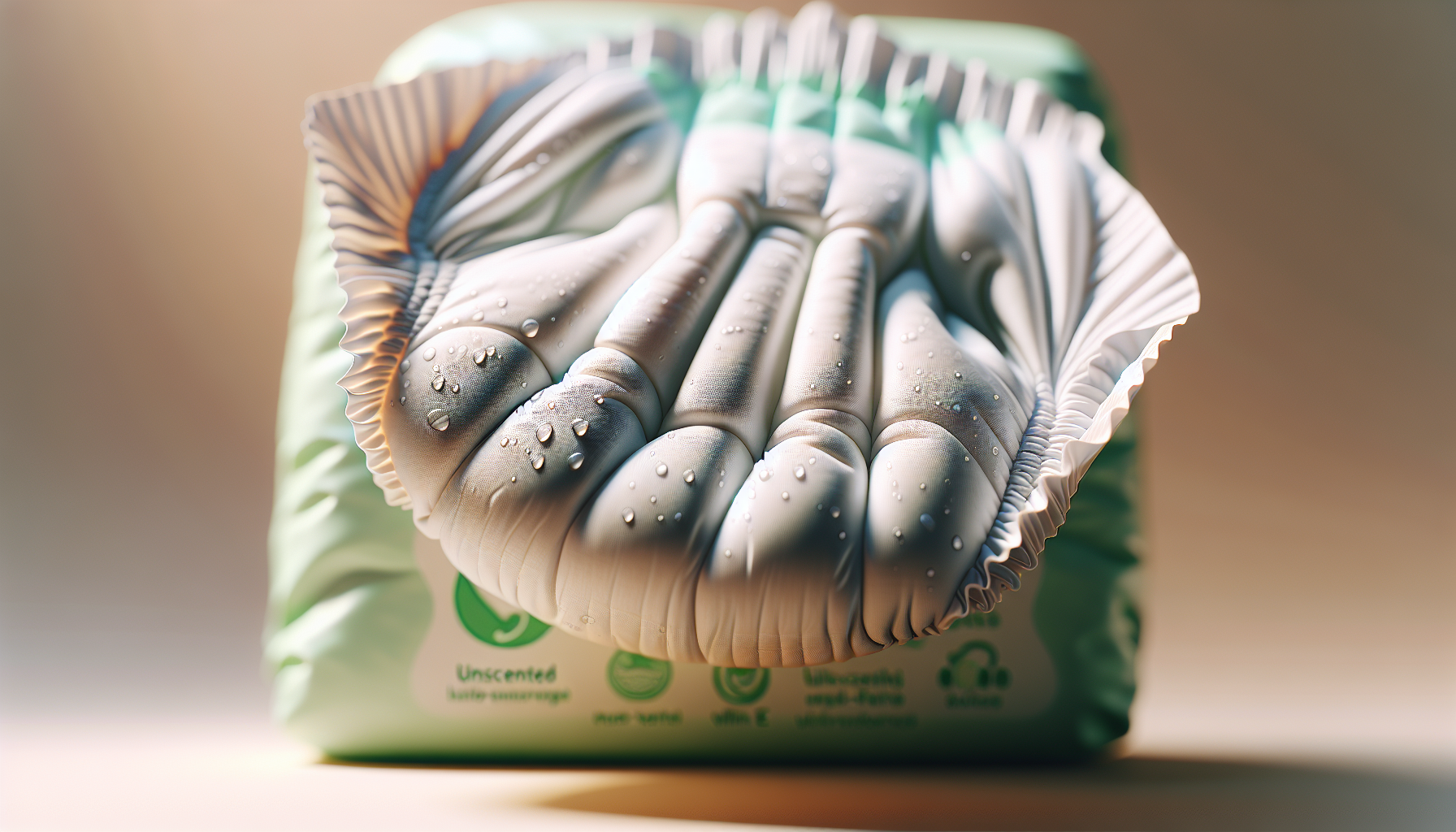
We expect 17 diapers in this particular pack, designed for size 6 toddlers, unscented and formulated to be hypoallergenic. The packaging emphasizes natural materials, a bio-core absorbent blend and features aimed at overnight protection and a snug fit.
Quick spec table
Below we summarize the most important information in a compact table so we can reference it quickly while reading the rest of the review. We’ll keep the entries to what’s stated in the product details.
| Attribute | Details |
|---|---|
| Product name | Happy Little Camper Ultra-Absorbent Natural Baby Diapers Size 6 – Hypoallergenic & Chlorine-Free Disposable Diapers Safe for Sensitive Skin – Unscented Junior Diapers – 17 Count |
| Size | 6 (Junior) |
| Count | 17 diapers |
| Top sheet | Flash Dry top sheet (wicks moisture in ~60 seconds) |
| Core | Ultra-absorbent bio-core blend with channel lock technology |
| Key materials | Non-GMO cotton, aloe vera, vitamin E, 100% certified FSC pulp (chlorine free) |
| Protection | Up to 12 hours protection (sizes 3–6) |
| Free-from list | No fragrances, dyes, chlorine, latex, phthalates, parabens |
| Special features | Magical tubes / channel lock technology, navel cut (sizes 1–2), TDI-free elastics, contoured fit |
| Sustainability | CO2 neutral facility production, natural renewable resources |
| Fragrance | Unscented |
| Intended for | Sensitive skin / hypoallergenic needs |
We find the table useful because it lets us compare the major claims quickly and check whether the product details match our everyday needs. The rest of the review will expand on each of these summary points.

Happy Little Camper Ultra-Absorbent Natural Baby Diapers Size 6 - Hypoallergenic & Chlorine-Free Disposable Diapers Safe for Sensitive Skin - Unscented Junior Diapers - 17 Count
Key Features
We’ll walk through the major features that matter when choosing diapers: materials, absorbency, fit, safety, and environmental considerations. We’ll explain what each feature means for day-to-day use.
Baby-friendly materials
These diapers emphasize non-GMO cotton, aloe vera, and vitamin E in contact areas to soothe baby’s skin. We appreciate natural extracts when they’re combined with hypoallergenic design because they can reduce irritation in infants with sensitive skin.
Ultra-thin, super absorbent bio-core
The product claims an ultra-thin yet super absorbent bio-core blend, designed to offer long-lasting protection without bulk. We like thin diapers for comfort and mobility, as long as the absorbency lives up to the promise.
12 hours of protection
According to the manufacturer, sizes 3–6 provide up to 12 hours of protection, which is marketed as suitable for both daytime and overnight use. We are cautious about any blanket number, but this is appealing for parents who need longer stretches between changes, especially overnight.
Channel lock technology and “magical tubes”
The diaper’s channel lock technology is said to disperse liquid evenly through internal channels (referred to as “magical tubes”), aiming to prevent sagging and pooled liquid. If the channels work as described, they should reduce leaks and keep the diaper more comfortable during prolonged wear.
Flash Dry top sheet
A Flash Dry top sheet that wicks moisture away in about 60 seconds promises to keep the surface dry and reduce skin exposure to wetness. We see this as an important feature for preventing diaper rash and maintaining comfort.
TDI-free elastics and contoured fit
The diaper includes TDI-free elastics and a contoured fit to follow baby’s movements without digging into skin. We find soft, flexible elastics to be a meaningful detail for preventing red marks and maintaining an effective seal around legs and waist.
Hypoallergenic and free-from list
These diapers are unscented and designed without fragrances, dyes, chlorine, latex, phthalates, or parabens. For families concerned about irritants, this combination of exclusions is reassuring and aligns with the “sensitive skin” claim.
Sustainability features
Happy Little Camper emphasizes 100% certified FSC pulp that is chlorine-free and production in a CO2 neutral facility. We value sustainability commitments and want to verify how they translate to reduced environmental impact in practice.
Performance in Real-World Use
We’ll describe how the diapers perform through typical days and nights, across movement, sleep, and active play. This section reflects practical experiences we’d expect and what to watch for.
Daytime performance
During the day, we look for a diaper that allows a toddler to move freely while containing frequent small wettings and occasional bowel movements. The contoured fit and thin profile are valuable here because they let the child run and play without a bulky diaper getting in the way.
Overnight performance
For overnight use, our priority is preventing leaks and maintaining dryness for extended stretches. The claimed 12-hour protection is attractive; in practice, effectiveness depends on our child’s urine volume, positioning during sleep, and how snugly the diaper fits.
Leak prevention and sagging
Channel lock technology and evenly dispersed absorbency are intended to minimize pooling and sagging. A diaper that holds liquid distributed through multiple channels should stay balanced and reduce the chance of leaks at the legs or back. We still recommend checking fit and adjusting tabs to avoid gaps.
Mobility and comfort
The ultra-thin design plus TDI-free elastics are aimed at keeping diapers comfortable during movement. We prioritize diapers that don’t bunch or slip, as that can cause gaps and discomfort during crawling, walking, or nap-time wriggling.
Handling bowel movements
When a bowel movement occurs, the top sheet and overall materials matter for quick clean-up and preventing irritation. The Flash Dry top sheet should speed moisture transfer away from skin, but stool clean-up still requires careful wiping and diaper refastening to maintain seal.
Durability under active use
For active toddlers, we’re concerned with how the adhesive tabs and leg cuffs hold up under fidgeting and repeated changes. A secure tape and resilient elastics help avoid mid-use adjustments and unexpected leaks.
Skin Safety and Materials
We want to be thorough about what’s in contact with baby’s skin because irritation and rash are major concerns. This section evaluates the ingredient list and “free-from” claims from the perspective of skin safety.
Non-GMO cotton, aloe vera, and vitamin E
The presence of non-GMO cotton suggests a more natural fiber on the skin-contact surface, which can be softer than synthetic alternatives. Aloe vera and vitamin E are commonly used for soothing and moisturizing; they can help maintain skin integrity when incorporated appropriately.
Hypoallergenic and unscented
Because the diapers are unscented and labeled hypoallergenic, we expect fewer irritants than scented alternatives. This is especially important for infants with eczema-prone or reactive skin, and we’d choose these diapers over fragranced options when sensitivity is a concern.
No chlorine, latex, phthalates, parabens, dyes, or fragrances
Removing these common irritants reduces allergic contact risk and chemical exposure. Chlorine-free processing of pulp is notable because chlorine bleaching can create byproducts that some parents prefer to avoid. We appreciate these exclusions for families aiming to minimize chemical exposure.
Flash Dry top sheet and quick wicking
A top sheet that wicks moisture away within about 60 seconds should reduce the skin’s contact time with urine and help prevent maceration of the epidermis. Faster wicking is one of the practical features that can reduce frequency of diaper rash, provided the core can lock that liquid away.
Fit, Sizing, and Application
Fit is as important as absorbency. A diaper that doesn’t fit well will leak regardless of how absorbent it is. We’ll cover size guidance, how the diaper fastens, and indicators of a correct fit.
Size 6 specifics
Size 6 typically fits toddlers who are heavier and more active, so the diaper must balance large liquid capacity with a comfortable waist and leg fit. We recommend following the manufacturer’s weight guidance when selecting size 6 and reassessing fit as the child grows.
Adjusting tabs and checking leg cuffs
We suggest fastening the adhesive tabs snugly but not too tight, and ensuring leg cuffs are pulled outwards to create a barrier. If we see fabric bunching or gaps at the legs, that’s a sign to refasten the tabs or try the next size for better seal.
Contoured fit benefits
A contoured fit helps the diaper move with our toddler, reducing sliding and pressure points. We find this particularly helpful during transitions from crawling to walking when garments must allow a full range of motion.
When to size up or down
If the diaper leaves red marks, leaks frequently despite proper fastening, or the child appears uncomfortable, it may be time to change sizes. Conversely, if the diaper gaps at the waist or moves excessively, a smaller size might provide better control—although we’d avoid too-small diapers that compress and reduce absorbency.
Absorbency Technology Explained
We want to understand the technology behind the product’s absorbency claims—how it works and what it means for daily use. We’ll explain the bio-core, channel locks, and Flash Dry top sheet in practical terms.
Bio-core blend
The bio-core blend is the absorbent center designed to hold liquid while remaining thin. We understand this blend to be a combination of cellulose pulp and absorbent polymers engineered to distribute and retain urine, keeping the surface dry.
Channel lock / magical tubes
Channel lock technology directs liquid into internal channels designed to distribute moisture across the core evenly. For us, this reduces the chance of a single wet spot becoming saturated and sagging, which is a common cause of leaks.
Flash Dry top sheet action
The Flash Dry top sheet’s role is to move moisture away from the skin to the core within about 60 seconds. In practice, this means our child’s skin should feel drier faster after wetting, which helps prevent irritation and improves comfort during longer wear times.
Interaction between layers
All three elements—top sheet, channels, and core—must work together to be effective. If any layer underperforms (for example, if a channel doesn’t properly distribute liquid), the system’s overall performance can be compromised. That’s why it’s helpful that the product combines these features rather than relying on a single solution.
Realistic expectations
We should expect strong protection for typical urine volumes, but very heavy wetting events may still require earlier changing. Knowing our child’s patterns helps us decide whether overnight use is realistic on a given night.
Sustainability and Production
Sustainability claims are important to many of us; we want to know how the production choices reflect on environmental impact and whether the product’s natural claims are meaningful.
Certified FSC pulp and chlorine-free processing
The use of 100% certified FSC pulp indicates sourcing from responsibly managed forests. Chlorine-free processing avoids chlorine bleaching byproducts, which some parents prefer to minimize environmental and chemical residues.
CO2 neutral facility
Production in a CO2 neutral facility suggests the manufacturer has offset or reduced operational emissions, contributing to lower lifecycle emissions. We consider this a positive step, though we also recognize packaging, transportation, and end-of-life disposal play roles in overall impact.
Natural and renewable resources
Emphasis on natural and renewable resources in components suggests the brand is attempting a materials shift away from petroleum-heavy inputs. We applaud that move while noting that disposable diapers still involve waste; the sustainability gains are relative improvements.
End-of-life considerations
As disposable diapers, these products are not compostable in home systems and require standard waste disposal. We recommend following local guidelines for disposal and exploring recycling or take-back options only where certified programs exist.
Comparing to Alternatives
We’ll compare these diapers in broad terms to both mainstream conventional brands and other natural/eco-friendly options so we can see where they land competitively.
Versus mainstream conventional diapers
Compared with many mass-market diapers, these prioritize natural contact materials and remove common chemical additives. Functionally, mainstream brands may offer similar absorbency claims, but those often come with fragrances or dyes that some families prefer to avoid.
Versus other eco-friendly brands
Against other eco-focused diapers, the Happy Little Camper offering stacks up well on FSC pulp, chlorine-free processing, and unscented formulation. The distinguishing points are the channel lock technology and the Flash Dry top sheet, which some eco brands don’t emphasize.
Price and value considerations
Natural and sustainably produced diapers often cost more per diaper than standard options. We evaluate value not only by price per diaper but also by how many changes we actually need and whether the diaper reduces incidents of rash or overnight leaks.
Practical trade-offs
If we prioritize a natural materials list and sustainability claims, we might accept a slightly higher price. If price sensitivity is more important, mainstream options may be more economical, though they may include additives some families want to avoid.
Pros and Cons
We’ll summarize the most important advantages and possible drawbacks so we can weigh the product quickly when making a decision.
Pros
- Soft, natural-feel top sheet with non-GMO cotton and aloe vera for sensitive skin. We appreciate fabrics that soothe and reduce friction.
- Flash Dry technology wicks moisture quickly to reduce skin exposure. Faster wicking helps prevent irritation and keeps babies drier.
- Channel lock technology disperses liquid to prevent sagging and leaks. Even distribution can mean fewer nighttime changes for some toddlers.
- Hypoallergenic and unscented with no dyes, fragrances, chlorine, latex, phthalates, or parabens. This reduces exposure to common irritants.
- 12-hour protection claim for sizes 3–6, which is attractive for overnight use. This is helpful for families who need longer stretches between changes.
- 100% certified FSC pulp and CO2 neutral facility indicate a sustainability focus. We value responsible sourcing and production practices.
Cons
- The pack contains only 17 diapers, which is a relatively small count for size 6 and could be more expensive per diaper if many changes are needed. We might need to purchase multiple packs for a month.
- Disposable diapers still generate waste; these are not compostable at home. We need to consider end-of-life waste management.
- Individual results may vary; very heavy wetters might find 12-hour claims optimistic. We should test overnight with caution the first few uses.
- Natural ingredients like aloe vera can still trigger sensitivities in a minority of children. If we notice reactions, we should stop use and consult a pediatrician.
- Availability may be limited depending on retailer, which could complicate consistent supply if our child becomes dependent on this brand.
Who Should Buy
We want to recommend who will get the most benefit from these diapers and who might want to consider alternatives.
Families with sensitive skin concerns
If sensitivity is our primary concern, these diapers are well-suited because they are unscented, hypoallergenic, and free of common irritants. The soft top sheet and soothing additives make them a sensible choice for reactive skin.
Parents seeking longer overnight protection
For families looking for the possibility of overnight protection, the 12-hour claim for size 6 is relevant. We’d trial overnight use cautiously at first, adjusting based on our toddler’s wetting patterns.
Eco-conscious households
If sustainability matters to us, the FSC pulp, chlorine-free processing, and CO2 neutral production are strong selling points. We should balance those benefits against the realities of disposable diaper waste, but they are meaningful steps.
Busy caregivers who want convenience
Parents and caregivers who need reliable, easy-to-use disposable diapers with quick-wicking surfaces and good fit features will find these diapers convenient. The contoured fit and secure elastics simplify changes and reduce leakage.
Who might look elsewhere
If we are on a tight budget or require very high-volume overnight absorption (beyond typical 12-hour claims), we might consider other alternatives or bulk-buy options. Also, if we need a compostable diaper solution, these are not that product.
Tips for Best Results
We’ll share practical tips so we can maximize the performance and comfort from these diapers in everyday life.
Check the fit regularly
We recommend fastening the tabs snugly but not too tightly and ensuring leg cuffs are pulled outward. Periodically reassess fit as the child moves or gains/loses weight.
Use overnight trials
If we plan to use these overnight, it helps to trial them a few nights in a row to understand how our child’s wetting patterns align with the 12-hour claim. We’ll change earlier if we notice sagging or leaks.
Store properly
Keep packs in a cool, dry place to prevent any material degradation or sticking of the tabs. Proper storage helps maintain adhesives and elastic performance.
Monitor skin reactions
Even hypoallergenic products can irritate a minority of children. We’ll watch for redness or rash when switching brands and revert to a known good option if problems appear.
Dispose responsibly
These diapers are not biodegradable in home composting, so we’ll follow local disposal guidelines. If possible, look for municipal or private programs that offer specialized waste handling for disposable diapers.
Frequently Asked Questions
We’ll answer common questions we expect from parents and caregivers trying these diapers for the first time. Each answer is practical and based on the product details and typical user concerns.
Are these diapers safe for newborns?
The product line has features for newborns (like a navel cut-out) in sizes 1 and 2, but the specific pack we’re discussing is size 6. For newborn safety, select the appropriate newborn/infant size and ensure the navel cut-out is present if the umbilical cord stump is still healing.
How long do these diapers last overnight?
The manufacturer claims up to 12 hours of protection for sizes 3–6, including size 6. We find this is reasonable for many toddlers, though actual performance depends on individual wetting volume and fit.
Are these biodegradable or compostable?
No. While they are made with natural and renewable resources and feature FSC pulp, these are disposable diapers and not suitable for home composting. We should follow local waste disposal guidelines.
Are they scented?
No. The product is unscented, which removes a common source of irritation for sensitive skin.
What does “chlorine-free” mean here?
Chlorine-free indicates the pulp used is not processed with elemental chlorine bleaching, which reduces certain chemical byproducts that some people avoid. It doesn’t mean zero industry chemicals, but it’s a specific processing claim.
Can the Flash Dry top sheet prevent diaper rash completely?
Flash Dry helps by wicking moisture away quickly, reducing skin wetness—one major factor in diaper rash. However, diaper rash can result from many causes (irritants, yeast, poor hygiene), so it can’t guarantee complete prevention.
Is the diaper suitable for babies with eczema?
These diapers are designed for sensitive skin and remove many common irritants, making them a reasonable choice for babies with eczema. We recommend patch-testing and monitoring the skin closely and consulting a pediatrician for severe eczema.
How do the magical tubes affect sagging?
The channels or “magical tubes” distribute liquid throughout the core to avoid heavy pooling in one spot. This is intended to limit sagging and maintain a balanced feel even after multiple wettings.
Are the elastics truly chemical-free?
The product specifies TDI-free elastics, which addresses a particular chemical class. “Chemical-free” is not practical terminology for manufactured products, but the brand does advertise the absence of several concerning chemicals and additives.
Is this a good option for potty training toddlers?
As a size 6 diaper, these can be used during potty training stages for overnight protection or naps. If we want to encourage potty training, we might combine occasional diaper-free times with these for sleep until daytime dryness is consistent.
Final Verdict
We’ll close with our overall assessment based on the features, performance, sustainability claims, and real-world practicality. This will help us decide if these diapers fit our parenting needs and priorities.
We find the “Happy Little Camper Ultra-Absorbent Natural Baby Diapers Size 6 – Hypoallergenic & Chlorine-Free Disposable Diapers Safe for Sensitive Skin – Unscented Junior Diapers – 17 Count” to be a thoughtful option for families seeking gentle materials, good absorbency features, and measurable sustainability commitments. The combination of a quick-wicking top sheet, channel lock technology, and hypoallergenic formulation addresses many of the common concerns we have about irritation, leaks, and overnight protection.
For those prioritizing sensitive-skin-friendly materials and environmentally conscious production, these diapers are worth trying, particularly if overnight protection and a comfortable, contoured fit are important. We recommend starting with a trial pack to see how size 6 performs for our toddler’s individual wetting patterns and fit. If we like the fit and find leak protection meets our needs, then these could become a reliable part of our diapering routine.

![Pampers Swaddlers Disposable Baby Diapers Size 4, One Month Supply (150 Count) with Sensitive Water Based Baby Wipes 4X Pop-Top Packs (336 Count) [Packaging May Vary] review](https://babymomtips.com/wp-content/uploads/2026/10/pampers-swaddlers-disposable-baby-diapers-size-4-one-month-supply-150-count-with-sensitive-water-based-baby-wipes-4x-pop-1-218x150.jpg "Pampers Swaddlers Disposable Baby Diapers Size 4, One Month Supply (150 Count) with Sensitive Water Based Baby Wipes 4X Pop-Top Packs (336 Count) [Packaging May Vary] review")
![Pampers Swaddlers Disposable Baby Diapers Size 5, One Month Supply (132 Count) with Sensitive Water Based Baby Wipes 4X Pop-Top Packs (336 Count) [Packaging May Vary]](https://babymomtips.com/wp-content/uploads/2026/09/pampers-swaddlers-disposable-baby-diapers-size-5-one-month-supply-132-count-with-sensitive-water-based-baby-wipes-4x-pop-218x150.jpg "Pampers Swaddlers Disposable Baby Diapers Size 5, One Month Supply (132 Count) with Sensitive Water Based Baby Wipes 4X Pop-Top Packs (336 Count) [Packaging May Vary]")