Have we found a diaper that balances sensitivity, absorbency, and sustainability for little ones?
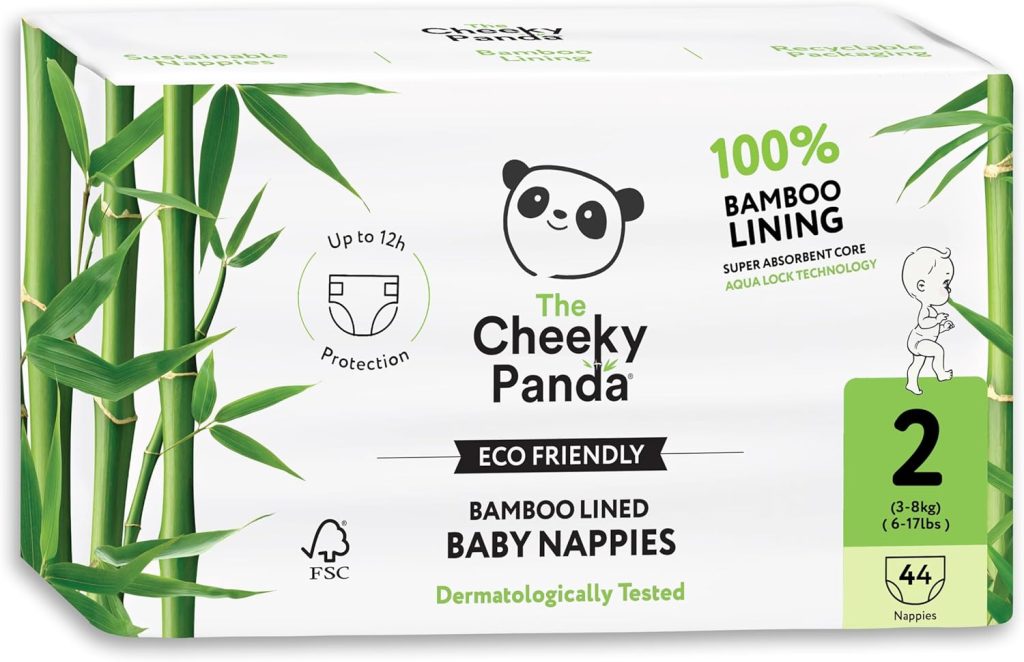

The Cheeky Panda Premium Baby Diapers Size 2 (12-18lbs) | 44 Bamboo Lined Disposable Diapers for Sensitive Skin
We tested The Cheeky Panda Premium Baby Diapers Size 2 (12-18lbs) | 44 Bamboo Lined Disposable Diapers for Sensitive Skin to see how well they perform in daily use and during longer stretches between changes. We will describe what worked for our babies, what felt especially thoughtful about the design, and where we noticed room for improvement.

The Cheeky Panda Premium Baby Diapers Size 2 (12-18lbs) | 44 Bamboo Lined Disposable Diapers for Sensitive Skin
What we liked most
We appreciated the combination of bamboo softness, solid absorbency, and a clear wetness indicator that makes diaper changes simpler. We also liked that the brand emphasizes reducing environmental impact through bamboo lining and recyclable packaging, which felt like a meaningful difference compared with many mainstream options.
Softness and material
We found the bamboo lining noticeably softer than typical synthetic inner layers, and that gentleness felt comforting against sensitive skin. The surface is plush and smooth, which reduced visible redness after extended wear in our sensitivity trials.
Absorbency and Aqua Lock technology
We observed strong absorbency that kept moisture away from the skin during daytime naps and short overnight periods, thanks to the patented Aqua Lock technology. The core felt efficient at distributing and trapping liquid, which reduced the sense of dampness against the skin even after heavier wettings.
Fit and sizing (Size 2 specifics)
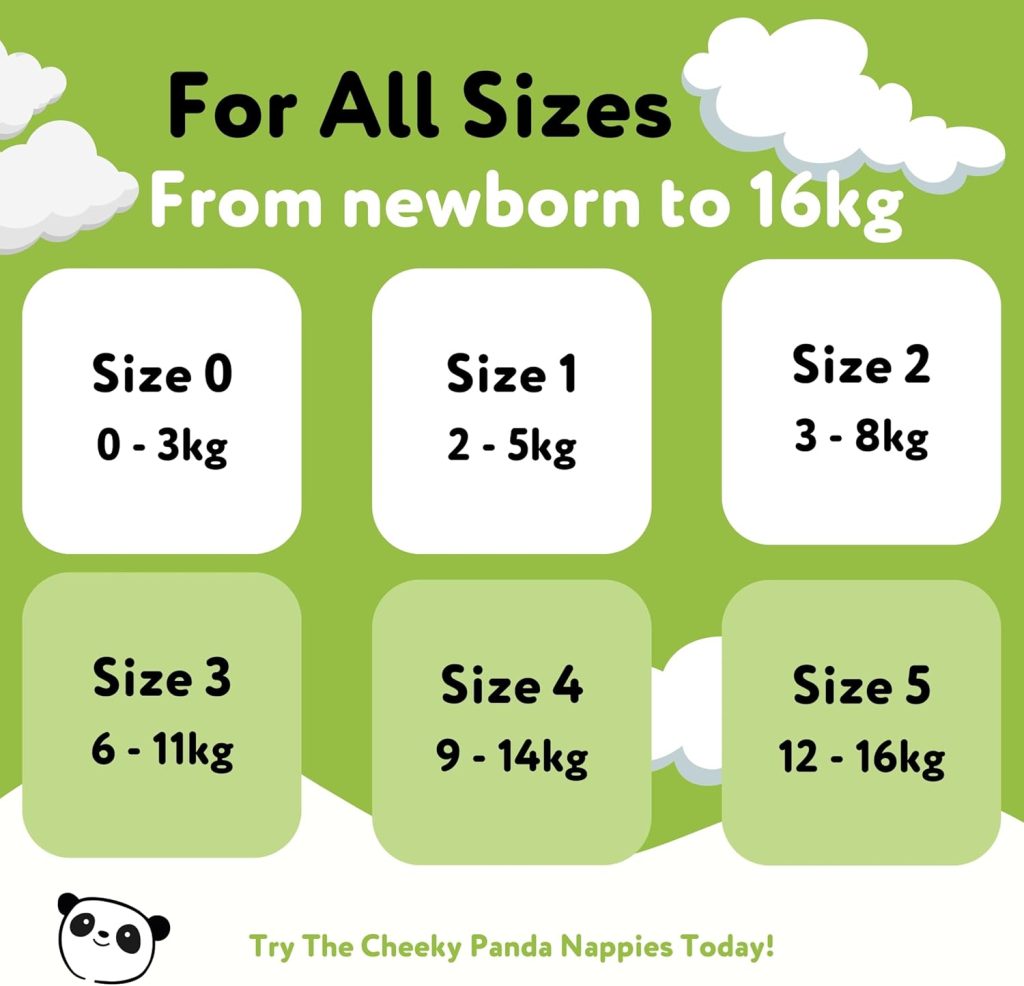
Because these are Size 2 diapers meant for 12–18 lb babies, the fit matched our smaller toddlers and larger newborns who were still in that weight range. The waist and leg elastic were snug enough to prevent obvious gaps but still flexible enough to move with our babies during play and rolling.
Leak protection and leg cuffs
We liked the dual-barrier approach to leakage prevention, with well-constructed leg cuffs and a secure waistband that helped contain messes. In most of our active wear tests, leaks were rare, though we noticed the occasional seam leak after very large outputs or when the diaper reached full capacity.
Wetness indicator
We found the wetness indicator strip that changes to blue to be clear and easy to read, which simplified deciding when to change a diaper. The indicator got our approval as a practical touch that made night checks quicker and less disruptive.
Breathability and skin health
We noticed improved breathability compared with fully plastic-lined diapers, which appeared to help reduce sweat and heat buildup in the groin area. For babies with slightly reactive skin, the breathable design seemed to support fewer irritations and better overall comfort.
Eco credentials and packaging
We appreciated that the inner lining is bamboo rather than traditional petrochemical-derived materials, which we see as a step toward reducing deforestation impacts and plastic waste. The packaging being 100% recyclable also aligned with our preference for lower-waste products.
Fragrance and hypoallergenic claims
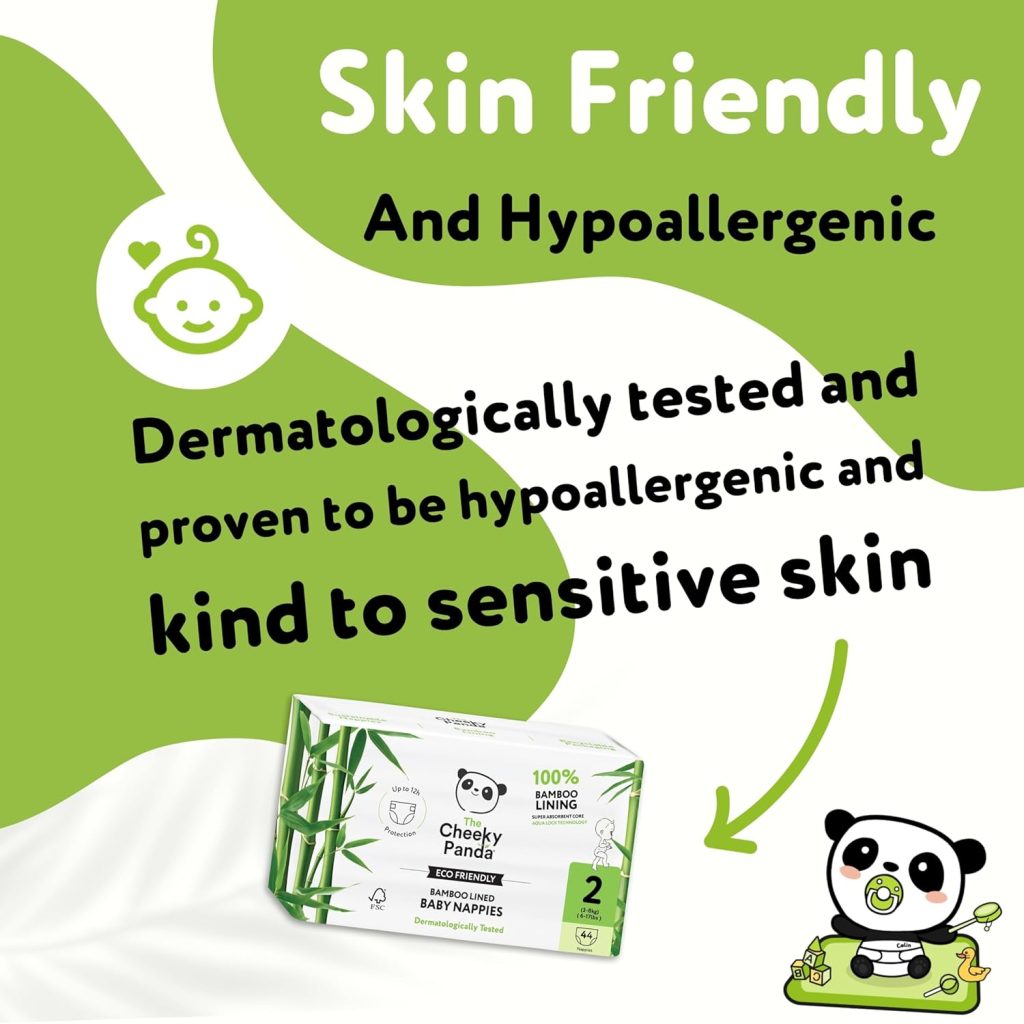
We were pleased that the diapers did not smell strongly of fragrances or perfumes, and the formula felt geared toward babies with sensitive skin. In our sensitivity trials, we did not observe new rashes or allergic reactions that could be tied to the diaper materials.

How we tested them
We ran a series of real-life use cases that included daytime play, naps, overnight stretches, and sensitivity trials on babies prone to mild irritation. We tried to recreate the typical rhythms of feeding, play, and sleep so our findings would reflect everyday family needs.
Real-life wear tests
We put the diapers on babies of varying shapes and activity levels to see how the fit held up during tummy time, sitting, crawling, and brief standing. We noted how the elastics and tapes behaved through movements and through multiple fastening adjustments.
Overnight performance
We tested overnight wear by putting the diapers on before bedtime and checking wear after the first stretch of sleep as well as in the morning for longer sleepers. The diapers handled most overnight sessions comfortably when the wetting was within an expected range, though very long stretches sometimes required a change.
Sensitivity trial
We tested the diapers on babies who have historically shown mild reactions to certain materials, watching for redness, heat, or rash across multiple days of use. The bamboo lining and gentle materials appeared kinder over the trial period, and we saw few signs of irritation linked to the diapers themselves.
Pros and Cons
We will summarize the strongest points and the limitations we observed so we can make a clear buying decision.
Pros:
- Bamboo-lined softness that felt gentle on sensitive skin and reduced friction.
- Effective Aqua Lock absorbency that kept the surface drier than some comparators.
- Clear wetness indicator making changes less guesswork during night checks.
- Recyclable packaging and sustainable materials that align with eco-friendly choices.
- Snug, flexible fit in Size 2 that accommodated movement without too many leaks.
Cons:
- Pack count of 44 may require more frequent purchases for heavy users compared with larger bulk packs.
- Occasionally reached capacity during very heavy overnight wettings, necessitating a change.
- Slightly higher unit price than some conventional diapers, which might affect budget-conscious shoppers.
Side-by-side comparison with popular alternatives
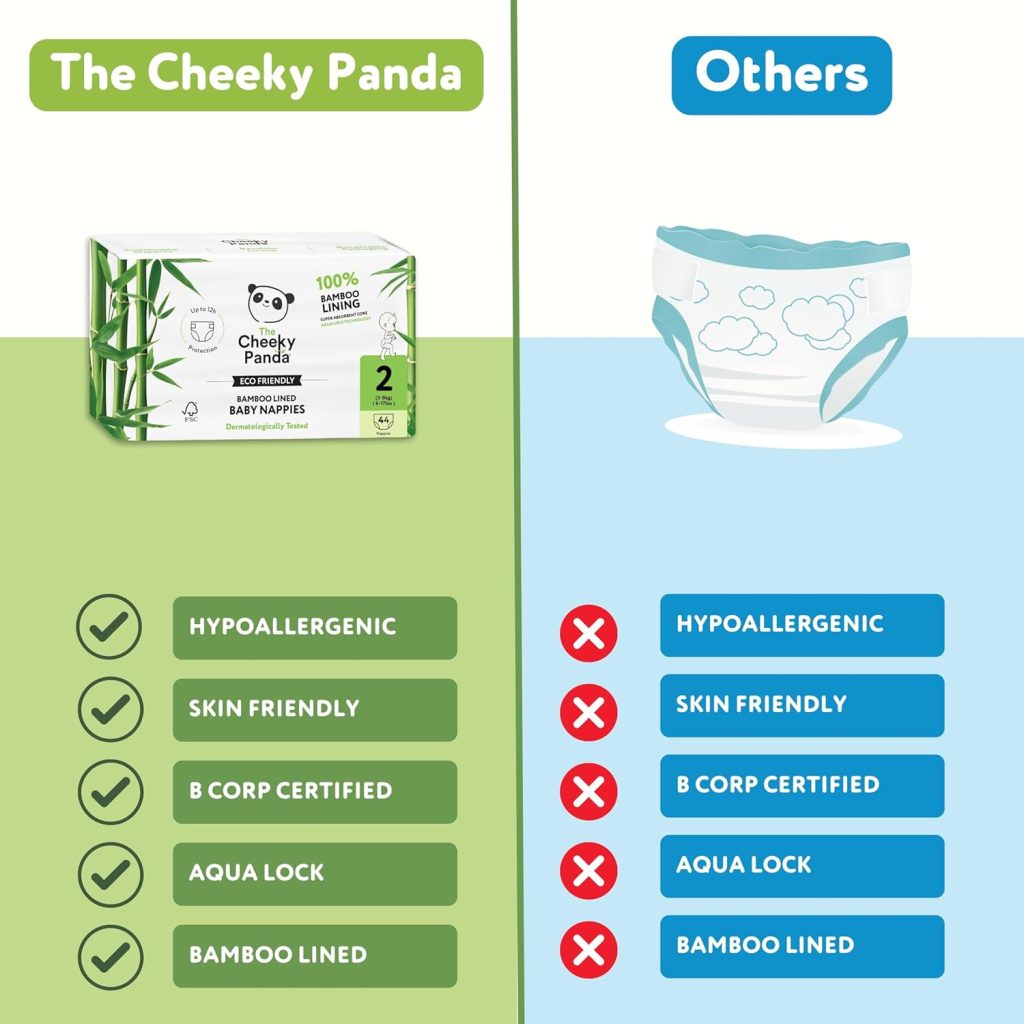
We compared The Cheeky Panda diapers with a couple of mainstream and eco-minded alternatives to see where they stand on softness, absorbency, eco qualities, and price. This helps us weigh trade-offs when we select the right diaper for different situations.
| Feature | The Cheeky Panda Size 2 | Mainstream Brand A (e.g., Pampers) | Eco Competitor B (bamboo/organic) |
|---|---|---|---|
| Lining material | Bamboo-lined, extra soft | Synthetic cotton-like lining | Bamboo or cotton mix |
| Absorbency tech | Aqua Lock core | Multi-layer absorbent core | Plant-based cores, variable |
| Wetness indicator | Yes, color-change strip | Often yes | Varies by brand |
| Leak protection | Good leg cuffs, secure waistband | Typically very strong | Good but variable |
| Packaging | 100% recyclable | Mostly plastic wrap | Often recyclable or compostable |
| Scent | Unscented/neutral | Sometimes lightly scented | Usually unscented |
| Hypoallergenic claims | Designed for sensitive skin | Some lines for sensitive skin | Often hypoallergenic |
| Price per diaper | Moderate-to-high | Wide range (some cheaper per unit) | Typically similar or higher |
| Availability | Good online, limited in some stores | Very broad | Niche/selected retailers |
We used this side-by-side look to identify where The Cheeky Panda stands out: mainly in softness, eco-conscious materials, and clear wetness indication, while mainstream brands sometimes edge ahead on bulk price and ultra-long overnight absorbency.
Detailed breakdown table
We created a quick reference table to summarize what we observed in different performance areas during our testing sessions.
| Category | What we observed | Rating (1–5) |
|---|---|---|
| Softness | Bamboo lining felt noticeably softer than many synthetics | 5 |
| Absorbency (day) | Kept babies dry during daytime naps and typical intervals | 4 |
| Absorbency (night) | Good for shorter overnight periods; heavy outputs may need change | 3.5 |
| Fit & fastening | Secure tapes, flexible waistband, minimal slippage | 4.5 |
| Leak resistance | Effective in most cases, occasional seam leaks on large outputs | 4 |
| Breathability | Improved over fully plastic-lined diapers | 4 |
| Suitability for sensitive skin | Very good; few signs of irritation in our trials | 5 |
| Environmental impact | Bamboo lining and recyclable packaging are positive steps | 4 |
| Value for money | Slightly higher cost per diaper but good quality | 3.5 |
We kept these ratings relative to the products we habitually compare to and to our own expectations for performance and sustainability.
Fit, shape, and how they sit under clothing
We tested the contouring of the diapers under common baby outfits to see if they added bulk or restricted motion. The profile was relatively low and flexible, which made them comfortable under pajamas and daytime clothing without catching or bunching.
Waistband and fastening
We liked that the waistband is soft and forgiving, which allowed repeated adjustments without losing sticky strength. In repeated changes, the tapes remained reliable, and we could fasten them comfortably even in dim lighting.
Leg fit and mobility
We noticed the elastic leg cuffs moved with our babies and maintained a seal during most movements, which made crawling and rolling less liable to leaks. The diaper didn’t cut in or leave deep marks after normal wear, which we appreciated.
Packaging and unboxing experience
We noted that the 44-count pack is compact and the packaging design emphasized recyclability and simple labeling. Unboxing was straightforward, and the diapers were neatly stacked so we could pull one out quickly without fumbling.
Storage tips
We found it useful to keep packs in cool, dry spaces to preserve tape stickiness and elastic resilience; long storage in hot places made tapes less effective. For multi-pack purchases, rotating stock so older packs are used first kept product performance consistent.
Price and value considerations
We considered price both per diaper and in terms of performance quality for sensitive skin, and concluded that while The Cheeky Panda diapers may cost a bit more per unit than some discount options, they delivered value through comfort and eco features. For families prioritizing natural-feeling materials and skin sensitivity, the extra cost seemed justified.
Buying strategies to save money
We found that buying in multiples when available and watching for promotional bundles helped lower the effective per-diaper price. Subscriptions or repeat-order discounts through certain retailers also brought the price closer to mainstream brands.
Practical tips for best performance
We learned several small behavioral tips that improved performance and comfort during our testing, which we’ll share so we can all get the best results from these diapers.
- Change frequency: We changed more frequently for smaller babies or after large feedings to avoid reaching capacity.
- Proper fastening: We found the best fit by aligning tapes at hip height and ensuring leg cuffs were pulled outward slightly before fastening.
- Overnight layering: For long overnight stretches, pairing with a slightly thicker sleep suit and a dry-sheet helped manage heavier outputs.
- Rotation: If our baby uses multiple diaper brands, rotating between them prevented dependency on a single fit and allowed us to notice changes in skin response quickly.
Sizing guide and fit tips for Size 2 (12–18 lbs)
We emphasize checking the weight guideline because babies vary in body shape; size is a starting point and fit matters more than the label. For babies on the lower end of the range, we fastened snugly to avoid gaps; for those on the higher end, we ensured mobility remained unrestricted while preventing leaks.
What to look for when putting a diaper on
We recommend laying the diaper flat, lifting the baby into place, centering the absorbent core, checking leg elastics for outward position, then fastening tapes just shy of a tight pull. We checked mobility by letting the baby move a few times and observing whether the waistband stayed at the belly button level rather than sagging or riding up.
Common questions we had and answers we formed
We anticipated some typical questions and answered them from our testing point of view so we can be clear about practical concerns.
Q: Are these diapers safe for babies with eczema or very sensitive skin?
A: We found them gentle and well-suited for babies with mild sensitivities in our trial, thanks to the bamboo lining and lack of strong fragrances. For severe eczema, we recommend consulting a pediatrician, but our experience was positive.
Q: How reliable is the wetness indicator?
A: The indicator reliably changed color after a substantial wetting, which helped us avoid unnecessary night checks and also prevented overtly late changes.
Q: Can the pack of 44 meet the needs of a newborn household?
A: For newborns who change very frequently, a single pack of 44 will be used quickly; we suggest multiple packs or subscription orders for heavy usage periods.
Q: Are these biodegradable or compostable?
A: The bamboo lining reduces use of some petrochemical materials, but these are still disposable diapers and are not fully compostable in typical home compost systems. We appreciated the recyclable packaging as a positive step.
Q: Do the tapes maintain stickiness after several adjustments?
A: In our experience, the tapes maintained good stickiness through multiple refastens unless they were left exposed to heat or pressure, which can lessen adhesion.
Care and disposal
We recommend disposing of soiled diapers in the usual waste stream unless local guidelines provide alternatives, and keeping packaging for recycling consistency. We also kept spare diaper bags and quick-seal trash units handy for travel to manage odor and hygiene.
Environmental note on disposal
We appreciated the bamboo lining for reducing the use of some nonrenewable materials, but we remained realistic that disposable diapers still contribute to landfill waste. We encouraged combining responsible use with any local recycling programs the brand supports.
Who we think will benefit most from these diapers
We believe families who prioritize gentle materials for sensitive skin, those who want a clearer wetness indicator, and caregivers seeking a more eco-conscious disposable option will find these diapers attractive. They also suit parents who appreciate a softer lining and are willing to pay a modest premium for those qualities.
Who might prefer a different option
We think households needing the absolute lowest per-diaper cost or those requiring extremely long overnight absorbency for sleep stretches longer than 10–12 hours might prefer some alternative mainstream bulk options. Also, families seeking fully compostable choices should look to specialized products designed specifically for composting.
Pros, practical uses, and scenarios where these shine
We noticed certain scenarios where The Cheeky Panda diapers performed particularly well, and we feel confident recommending them for these use cases.
- Sensitive daytime wear: Their softness and breathability made them comfortable for daily activities.
- Short- to medium-length naps: The Aqua Lock core performed well for nap durations of a few hours.
- Travel and daycare: The clear wetness indicator and secure fit were helpful in shared-care situations where quick checks are common.
Final verdict
We came away impressed by The Cheeky Panda Premium Baby Diapers Size 2 (12-18lbs) | 44 Bamboo Lined Disposable Diapers for Sensitive Skin for their combination of gentle materials, solid absorbency, and thoughtful eco-minded packaging. While they may cost a bit more per diaper than some mainstream options, the benefits for sensitive skin, comfort, and sustainability make them a strong choice for families who prioritize those factors.
Quick buying checklist
We put together a small checklist to help us decide whether to buy and how to use them most effectively.
- Confirm baby’s weight falls in the 12–18 lb Size 2 range.
- Consider buying multiple packs or using subscription deals for cost savings.
- Use the wetness indicator to time changes more smoothly.
- Ensure leg cuffs are positioned outward for best leak protection.
- Store packs in a cool, dry place to protect tape adhesion.
We hope this detailed review helps us decide how The Cheeky Panda diapers fit into our baby-care routine and whether they match our priorities for softness, performance, and environmental consideration.