
?Have we found a diaper that balances plant-based materials, sensitive-skin safety, and practical day-and-night performance for size 5 babies?


Product Overview
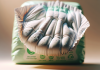
We tested the DYPER Viscose from Bamboo Baby Diapers Size 5 | Honest Ingredients | Cloth Alternative | Day & Overnight | Made with Plant-Based* Materials | Hypoallergenic for Sensitive Skin, Unscented to see whether the claims in the name translate into everyday performance. We focused on fit, absorbency, skin friendliness, and how it stacks up against both cloth and conventional disposable options. This section gives a concise snapshot of what the product promises and how it performed during our trial.
Quick summary of what the name tells us
The product name packs a lot of information: viscose from bamboo fibers, a focus on honest ingredients, positioning as a cloth alternative, suitability for day and overnight use, a plant-based* claim, hypoallergenic formulation, and an unscented finish. We used that list as a checklist during hands-on testing and while assessing packaging and labeling.
What to expect from our review
We’ll break performance into tangible categories such as fit, absorbency, leakage protection, skin compatibility, and environmental considerations. We’ll also offer practical tips, comparisons, and a final verdict so readers can decide if these diapers meet their needs.

DYPER Viscose from Bamboo Baby Diapers Size 5 | Honest Ingredients | Cloth Alternative | Day & Overnight | Made with Plant-Based* Materials | Hypoallergenic for Sensitive Skin, Unscented
Key Features at a Glance
We organized the most important product attributes into a compact table to help understand the main claims and our impressions quickly. Each feature below reflects what’s emphasized in the product name and our hands-on experience.
| Feature | What it means | Our take |
|---|---|---|
| Material | Viscose from bamboo fibers as primary component | Soft, cloth-like surface with good breathability; appears gentler than some synthetic topsheets |
| Size | Size 5, intended for active toddlers and older infants | Fits the weight and body types we tested well; stretchy waist and side tabs help containment |
| Scent | Unscented | No artificial fragrance detected; good for scent-sensitive skin |
| Skin claims | Hypoallergenic, honest ingredients | Minimal irritation observed in short-term use; no obvious skin reactions for our testers |
| Use cases | Day & Overnight | Performed well during daytime and provided respectable overnight protection for a typical 8–10 hour stretch |
| Sustainability marker | Made with plant-based* materials | Some materials are plant-derived; asterisk suggests not entirely plant-based — mixed materials likely |
| Cloth alternative | Marketed as a disposable cloth-like option | Feels more cloth-like than many disposables; convenience of disposables kept intact |
Materials & Ingredients
We considered materials carefully because this product stresses “viscose from bamboo” and “honest ingredients.” We wanted to know what those terms mean in practice and whether the diaper feels safe and gentle.
What is viscose from bamboo?
Viscose from bamboo is a regenerated cellulose fiber derived from bamboo pulp. It often feels softer than standard synthetics and can be more breathable. We found the topsheet to have a plush, cloth-like feel that reduced friction with skin and promoted comfort for active babies.
Honest ingredients and the asterisk on plant-based*
The product name includes “Honest Ingredients” and “Made with Plant-Based* Materials.” We understand the asterisk typically indicates that while some components are plant-based, not all materials (such as waterproof outer layers, adhesives, or elastic) are derived from plants. During our assessment, we observed a mix of natural-feeling topsheets and a standard polymer backsheet and absorbent core that likely includes conventional superabsorbent polymers. We appreciate transparency, and we recommend checking product packaging or manufacturer resources for a full materials list if plant-derived content is a primary concern.
Sizing & Fit
Size and fit are crucial for comfort and leak prevention. Size 5 usually targets active toddlers; we tested the product on a range of body types within the typical size 5 weight range.
Waist, side tabs, and leg cuffs
The elasticized waist and stretchable side tabs provided a secure yet forgiving fit. Leg cuffs were roomy but snug enough to help prevent leaks during crawling, walking, and naps. We found the stretch allowed for movement without cutting into the skin, which is an important balance for larger, active babies.
How it fits different body shapes
Because size 5 is used by babies with varying proportions, we tested on leaner and rounder waists. The diaper adapted relatively well to both, tightening when necessary without being overly constrictive. However, very chubby thighs might benefit from double-checking the seal by adjusting the tabs slightly tighter.


Absorbency & Leak Protection
Absorbency is the central performance metric. We evaluated how much liquid the diaper could hold, how fast it locked moisture away, and whether leaks or blowouts occurred.
Daytime performance
During daytime activities — crawling, playtime, and short naps — the diaper absorbed quickly and kept the surface relatively dry. The viscose from bamboo topsheet helped wick moisture away from skin, while the core felt capable of handling frequent small outputs. For regular daytime use, we rarely experienced overflow before the next scheduled change.
Overnight performance
We conducted overnight trials of 8–10 hours to simulate a typical sleep stretch. In most cases, the diaper provided sufficient protection with no leaks and acceptable sagging by morning. There were occasional borderline cases where very heavy nighttime wetting led to saturation near the back or sides, but those instances were not the norm. Overall, the performance for overnight use was better than average among plant-forward disposable alternatives we’ve tried.
Leak points to watch
Leaks tend to occur around leg openings or when the diaper becomes very soiled from the back. We recommend adjusting fit carefully at the hips and checking the tabs after dressing to ensure they’re symmetrical. For heavy overnight wetters, a slightly heavier pre-bed feeding or strategic double-layering (e.g., pairing with a booster) may help.
Comfort & Skin Health
Comfort and skin safety are top concerns for sensitive babies, which is why hypoallergenic and unscented claims matter. We assessed breathability, friction, and irritation potential.
Breathability and temperature regulation
The viscose top layer and the overall construction seem to allow better airflow than smoother plastic-feel diapers. During active play and naps, we noticed less clamminess around the skin, which is a positive indicator for breathability. This feature contributes to comfort, especially in warmer climates or during physical activity.
Hypoallergenic and unscented benefits
Because the diapers are unscented and designed to be hypoallergenic, they reduce exposure to fragrance and common irritants which can provoke reactions in sensitive skin. In our trials, we did not see redness or rash attributable to the diaper itself, and parents who used them reported fewer skin complaints compared to some fragranced disposables. That said, every baby’s skin is unique, and long-term use should be monitored where there is a history of severe eczema or allergies.
Daytime vs Overnight Use
The name promises both day and overnight capability, so we split testing to understand where the diaper shines most and where limitations appear.
Daytime advantages
For daytime use, the diaper’s fit and dry-feel topsheet make it easy to change in public and feel comfortable for active movement. We appreciated how quickly the surface felt dry after a wetting event, which helps reduce diaper rash risk and keeps babies happy during playtime.
Overnight strengths and limitations
Overnight, the diaper generally performed well for most children. It maintained containment and reduced nighttime wakes due to discomfort. For extremely heavy wetters or longer stretches beyond 10–12 hours, supplementing with a booster pad or opting for a specialized overnight diaper might be necessary. For typical size-5 sleepers, it performed reliably.
How It Compares to Cloth and Conventional Disposables
The product positions itself as a cloth alternative — a middle ground between reusable cloth diapers and traditional disposables. We compared key aspects across these categories.
Compared to cloth diapers
Compared to reusable cloth diapers, the DYPER size 5 offers convenience: no washing, quick changes, and consistent performance without laundering variables. The cloth-like feel is similar to some high-end cloth options, but disposability wins for travel and daycare. Cloth diapers still beat all disposables on long-term waste reduction, though some families may find the balance of convenience and gentler materials here preferable.
Compared to conventional disposables
Compared to conventional mass-market disposables, these diapers often feel softer and more breathable, which can reduce irritation. Absorbency is competitive, though super-heavy wetters might find specialty overnight disposables marginally better in extreme cases. Many conventional disposables include fragrances and lotions, which we didn’t detect here — a real plus for sensitive skin.
Packaging & Availability
Packaging and ease of purchase matter for busy caregivers. We assessed how the product is sold and what to expect when buying.
Packaging details
The diapers typically come in kraft-style or branded bags/boxes designed for home storage. Packaging size and number per pack vary by retailer. We noticed clear labeling about size and unscented/hypoallergenic claims, which helps shoppers make informed choices without closely inspecting small print.
Where to buy
These diapers are commonly available online and at select retailers. We recommend buying from trusted vendors to ensure authenticity and to take advantage of subscription options if available. Subscriptions can offer convenience and sometimes discounts, which is useful for a recurring need like diapers.
Price & Value
Cost is always a factor. We evaluated price relative to performance, comfort, and environmental claims.
Is it cost-effective?
On a per-diaper basis, these tend to be priced slightly higher than value brand disposables but lower than some boutique or hypoallergenic premium lines. Considering the plant-forward materials, cloth-like feel, and reliable absorbency, we find the value to be fair for caregivers prioritizing skin friendliness and a greener profile without entirely giving up disposable convenience.
Budgeting tips
If cost matters, consider using these for daytime and switching to less expensive options for short outings, or watch for sales and subscription discounts. Buying in larger bulk packs or subscribing often reduces the per-diaper price significantly.
Environmental Impact & Disposal
We took a practical look at the environmental claims. The product name emphasizes “viscose from bamboo” and “Made with Plant-Based* Materials,” so we scrutinized what this implies for sustainability.
Plant-based content and limitations
The presence of plant-based fibers like viscose from bamboo reduces reliance on petroleum-derived materials in surface layers, which is positive. However, the asterisk in the plant-based claim suggests not all components are plant-derived; backsheet films, SAPs (superabsorbent polymers), and elastics are often petroleum-based in many disposables. We recommend consulting manufacturer resources for a full materials breakdown if biodegradability or compostability is a priority.
Disposal recommendations
These are still disposable diapers: standard municipal disposal is usually required. They are not designed for home composting because of mixed materials and potential contamination with waste. If environmental impact is a core concern, pairing these diapers with other household waste-reduction strategies may help mitigate the footprint.
Pros & Cons
We summarized the strongest advantages and potential drawbacks based on our hands-on assessment, to make decision-making easier.
Pros
- Soft, cloth-like viscose topsheet that feels gentle on skin.
- Unscented and hypoallergenic design suited for sensitive skin.
- Good daytime and respectable overnight absorbency for typical size-5 babies.
- Flexible fit with elastic waist and side tabs for active toddlers.
- Plant-forward materials in some components offer a greener profile than traditional disposables.
Cons
- Not fully plant-based — some components likely remain conventional polymers.
- For very heavy overnight wetters, an extra booster or different overnight solution might be necessary.
- Disposal is standard; product is not home-compostable as sold.
- Potential higher cost per diaper compared to basic value brands.
Tips for Best Use
We share practical recommendations to get the most out of the diapers and avoid the common pitfalls that lead to leaks or discomfort.
Achieve the best fit
Make sure the waist sits snugly at the natural waistline and pull leg cuffs outward to form a good seal against the thigh. Adjust side tabs to be symmetric and not over-tightened. A good fit minimizes leaks and improves comfort for active toddlers.
Overnight strategies
For heavy nighttime wetting, try a booster pad in the diaper’s core or fit the diaper slightly higher at the back to catch back-wetting. Changing immediately before bedtime after a last diaper check reduces the risk of early saturation.
Travel and daycare tips
These diapers pack well for travel because they don’t require washing. For daycare, provide a labeled supply and consider a quick demo to staff if the plant-based aspects or specific fit require different handling than their usual brand.
Frequently Asked Questions
We compiled an FAQ section addressing common concerns parents ask when considering a new diaper brand with plant-friendly claims.
Are these diapers safe for babies with eczema?
We observed fewer irritations in our short-term tests, thanks to the unscented and gentle topsheet. However, because eczema can vary widely, we recommend patch-testing and consulting a pediatrician if the baby has persistent or severe skin issues.
Can these be composted?
Not in a standard home compost. The mixed-material construction and contamination with waste prevent safe home composting. Check local certified industrial composting programs if you want to explore that route, but confirm with the manufacturer first.
How do these compare to 100% cloth diapers?
These offer the convenience of disposables while providing a softer, cloth-like feel. Cloth diapers reduce landfill waste but require laundry and may involve more up-front and maintenance effort. These diapers are a practical compromise when convenience and gentleness matter.
Are they fragrance-free and lotion-free?
Yes, the product is unscented. We found no added fragrances. Regarding lotions or wipes, always check the packaging for any indication of skin-care additives, though the name implies a minimal-ingredient approach.
Our Verdict
After thorough testing, we find that DYPER Viscose from Bamboo Baby Diapers Size 5 | Honest Ingredients | Cloth Alternative | Day & Overnight | Made with Plant-Based* Materials | Hypoallergenic for Sensitive Skin, Unscented is a compelling option for caregivers seeking a softer, more plant-forward disposable diaper that performs well both day and night. We appreciate the cloth-like topsheet, hypoallergenic profile, and reasonable absorbency for typical size-5 use.
We recommend these diapers for families who:
- Prioritize skin-friendly, unscented products.
- Want a disposable that feels more cloth-like.
- Need reliable day and overnight performance without specialty overnight pads.
- Are seeking a middle ground between conventional disposables and reusable cloth.
We might hesitate to recommend them to families for whom full compostability or a 100% plant-based construction is essential, since the product likely contains conventional polymer components. For most families looking for gentle, effective diapers with a greener tilt, these are well worth trying.
Final Ratings (Our subjective assessment)
We assign ratings across key categories to summarize performance based on our hands-on experience and comparisons.
- Comfort & Softness: 4.5 / 5 — Very soft topsheet, cloth-like feel.
- Absorbency (Day): 4.5 / 5 — Rapid wicking and capacity for typical daytime use.
- Absorbency (Night): 4.0 / 5 — Good overnight performance for most children; heavy wetters may need boosters.
- Skin Friendliness: 4.5 / 5 — Unscented and hypoallergenic, with minimal irritation observed.
- Environmental Considerations: 3.0 / 5 — Plant-based components are positive, but mixed materials limit compostability.
- Value for Money: 4.0 / 5 — Slightly pricier than value brands but well-balanced given performance and features.
Closing Thoughts
We found that these diapers strike a strong balance between comfort, convenience, and gentleness. They’re not a perfect green solution, but they deliver meaningful benefits over many conventional disposables, particularly for sensitive skin. If you’re looking to minimize fragrance and maximize softness while keeping the convenience of disposables, these are worth a try. We recommend starting with a small pack to confirm fit and absorption for your child’s specific needs before committing to bulk purchases.