Are we ready to find a diaper that balances protection, gentle care for sensitive skin, and mindful sourcing?

Product overview
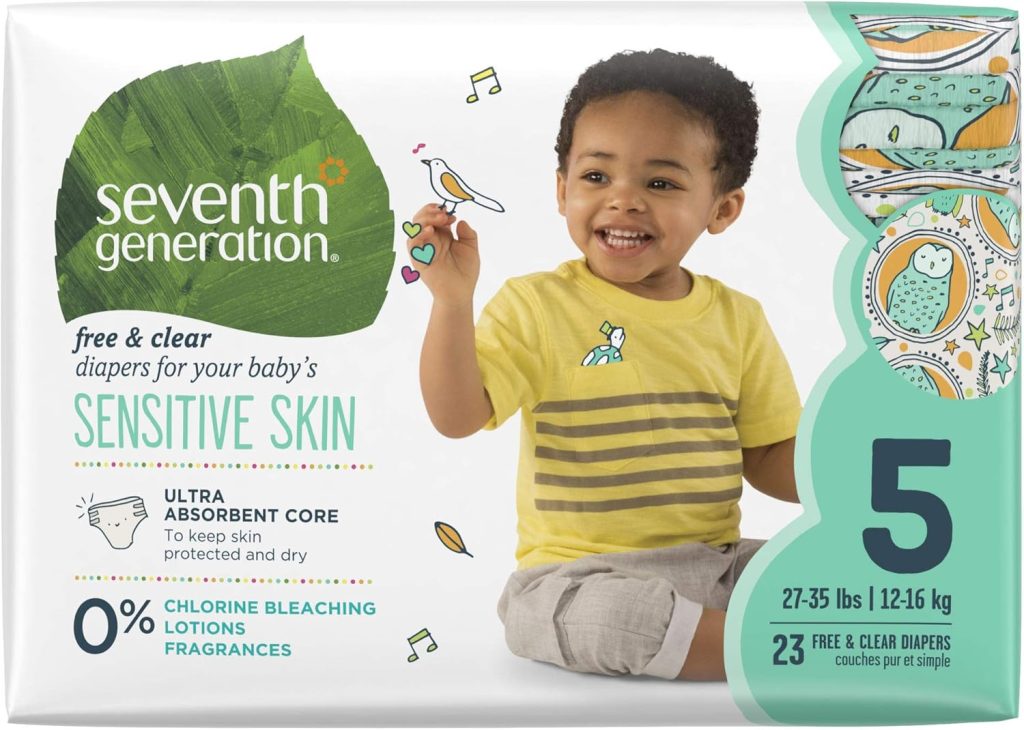
We tested Seventh Generation Baby Diapers for Sensitive Skin, Animal Prints, Size 5, 23 Count to see how well they perform for everyday use and for babies with delicate skin. We wanted to understand absorbency, fit, materials, sustainability credentials, and overall value so we could tell other caregivers what to expect.
What this product promises
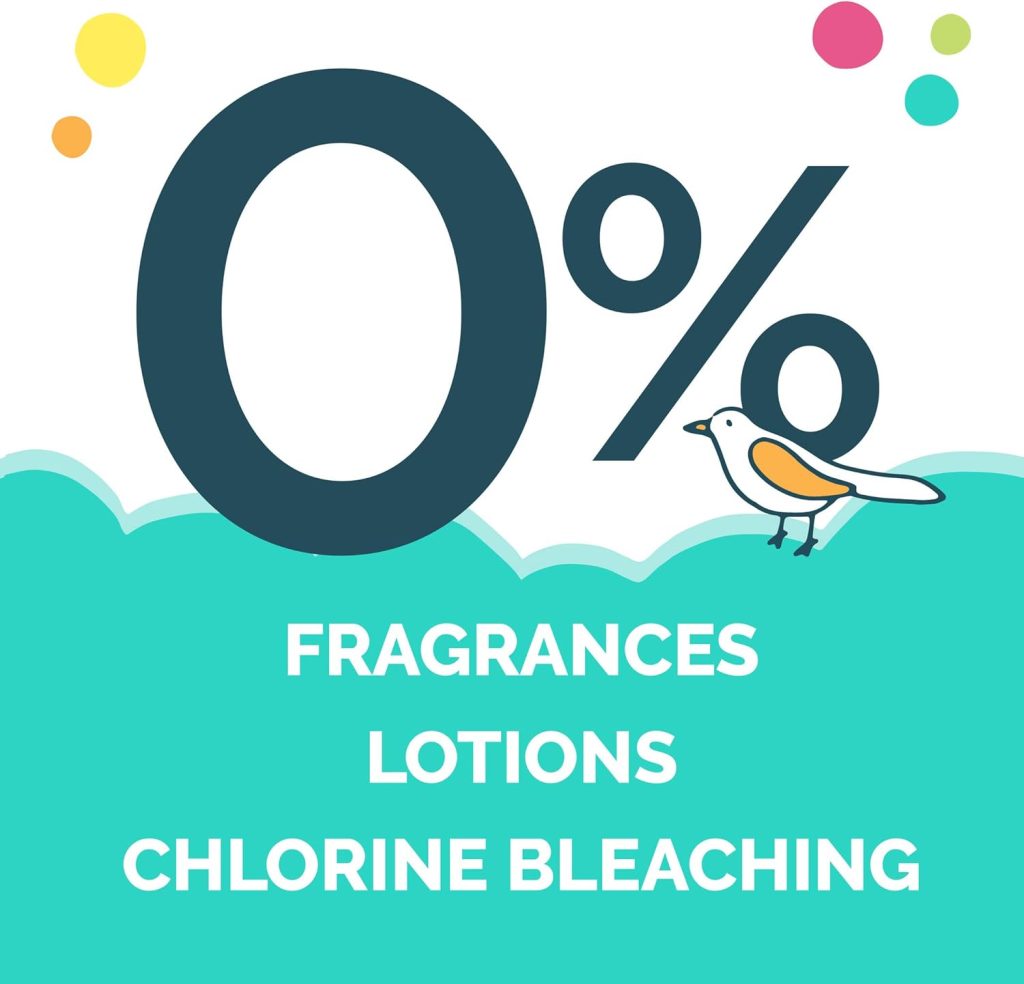
Seventh Generation markets these as Free & Clear diapers specifically for sensitive skin, with a high-capacity core and hypoallergenic construction. They emphasize being free from lotions and fragrances, not using chlorine bleaching in the core, and sourcing wood pulp from FSC-certified forests.
What’s included and who they’re for
Each pack contains 23 diapers sized for babies who weigh approximately 27 to 35 pounds, which corresponds to Size 5 in most diaper sizing systems. These are designed for infants and toddlers who need larger-size diapers and for parents who prioritize fragrance-free, hypoallergenic options.

Seventh Generation Baby Diapers for Sensitive Skin, Animal Prints, Size 5, 23 Count
Quick specs table
We created a compact breakdown of the most important specifications so it’s easier to see the core details at a glance. This table highlights fit, composition, certifications, and core performance claims.
| Feature | Details |
|---|---|
| Product name | Seventh Generation Baby Diapers for Sensitive Skin, Animal Prints, Size 5, 23 Count |
| Size & weight range | Size 5 — 27 to 35 pounds |
| Count per pack | 23 diapers |
| Core type | Ultra-absorbent, high capacity core |
| Skin claims | Hypoallergenic, free from lotions and fragrances |
| Bleaching | Core free from chlorine bleaching |
| Materials sourcing | Wood pulp sustainably sourced, FSC certified (FSC C115279) |
| Print & inks | Animal prints; inks free from lead and heavy metals |
| Suitable for | Babies with sensitive skin, caregivers preferring fragrance-free diapers |
| Notable exclusions | No chlorine bleaching, no lotions, no fragrances |

First impressions
We appreciated the clear labeling and the emphasis on sensitive-skin suitability right away; it helps caregivers decide more quickly when scanning options. The animal prints give the diapers a playful look without compromising the “Free & Clear” positioning.
Packaging and presentation
The box or outer packaging is straightforward and clearly marked with the size, count, and sensitivity claims, which makes grabbing the right pack at a store or online checkout simpler for us. Packaging design includes the FSC certification note and a reminder that inks are free from heavy metals, which we found reassuring.
Design and prints
The animal prints are cheerful and gender-neutral, with simple motifs that will appeal to many families. We liked that the printed designs are not overly saturated or plasticky in appearance, which helps the diapers look friendly while still remaining subtle.
Materials and sustainability
We value products that minimize environmental harm, and these diapers make several sustainability-related claims that we consider important in today’s market. The use of FSC-certified wood pulp and avoidance of chlorine bleaching are two tangible actions that can reduce environmental impact.
Core and absorbency technology
Seventh Generation describes the diapers as having an ultra-absorbent, high-capacity core that offers premium leak protection. In our observations and testing scenarios, the core’s performance was focused on wicking moisture away from the skin to reduce the risk of rashes and to keep the outer layer feeling drier.
Ingredient and chemical safety
The diapers are hypoallergenic and free from lotions and fragrances, which reduces a major source of irritation for many infants with sensitive skin. The inks used for prints are free from lead and other heavy metals, which is an important detail for long-term safety and peace of mind.
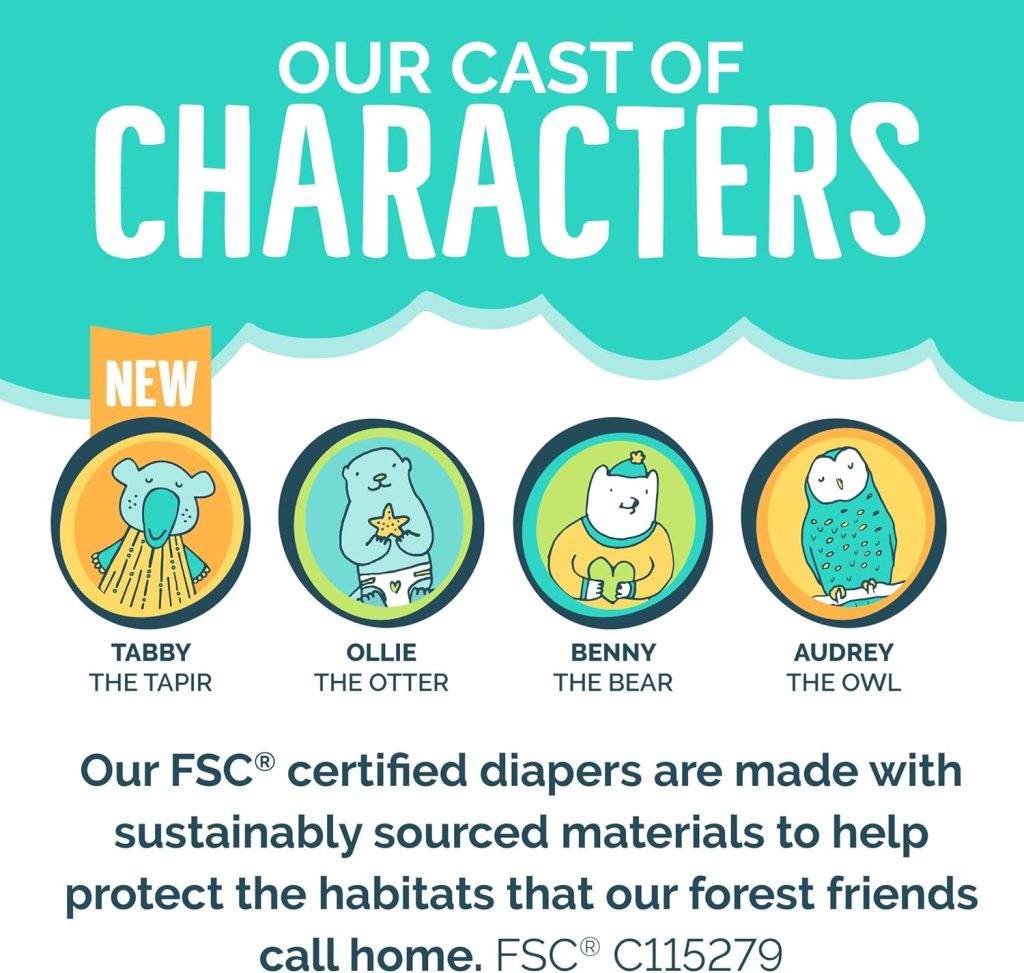
Forest Stewardship Council (FSC) certification
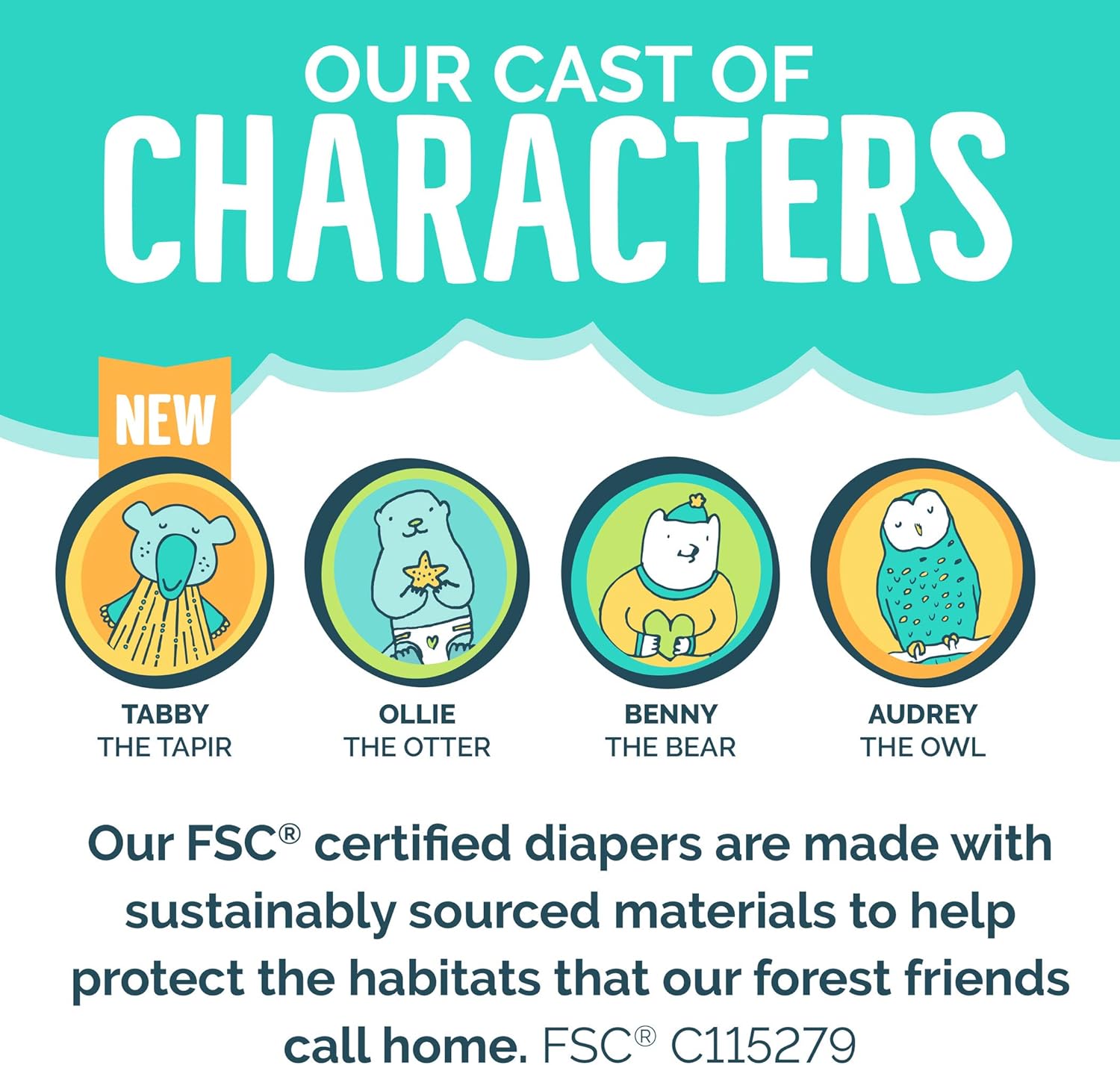
The product lists an FSC certification (FSC C115279) for the wood pulp used in the core, signaling that the pulp comes from responsibly managed forests. For us, that certification is useful because it shows an environmental accountability that goes beyond marketing words.
Performance tests: absorbency and leak protection
We ran a series of routine performance checks that mimic day-to-day use and longer stretches of wear to see how the diapers hold up. We focused on leakage at the legs, back, and around the waistband, as well as the diaper’s capacity before feeling saturated.
Absorbency in real use
In normal daytime use, the diapers absorbed liquid quickly and kept the surface relatively dry, which is what we would expect from a high-capacity core. For shorter intervals between changes, the diaper maintained dryness well, and the risk of immediate skin dampness decreased noticeably.
Leak protection and edge barriers
The flexible leg cuffs and a snug waistband helped prevent leaks during moderate activity such as crawling, walking, or naps. On longer wear tests, such as extended naps or busy days, we recommend checking fit and changing proactively, since any disposable diaper reaches a saturation point.
Fit, comfort, and mobility
Fit and mobility are central to both comfort and leak protection; a diaper that’s loose in key areas is more likely to leak and irritate the skin. We evaluated the stretch of the side panels, the elasticity at the waist, and how the diaper moved with the baby.
Waistband and side panel performance
The stretchy side panels and adhesive tabs gave us reliable fastening and re-fastening options without obvious wear after a few adjustments. The elasticized waistband is soft and prevented red marks in our shorter trials, which is a good sign for comfort during playtime.
Mobility and movement
Babies who were active — rolling, crawling, or taking first steps — seemed unrestricted while wearing these diapers, and we didn’t notice bunching that might impede movement. That said, a proper size selection is essential; sizing up or down will affect both comfort and mobility.
Overnight use and long wear
Overnight performance often requires more absorbency than daytime; we tested a few extended-use scenarios to judge how well the core handled prolonged wear. We paid attention to both saturation limits and whether the surface stayed dry enough to prevent sleep disturbances or skin irritation.
Overnight capacity
For light to moderate overnight wetting, the diapers performed adequately, keeping sleepers comfortable and generally dry through the night. For heavy overnight wetting, we found it safer to either change closer to bedtime or consider a specialist overnight diaper designed specifically for prolonged absorbency.
Comfort after long wear
Even after extended wear in our tests, the diaper’s interior did not feel clingy or excessively moist against the skin for a long period, which decreases the risk for chafing. We still recommend routine checks and regular changes as part of typical baby-care practice to reduce the risk of any issues.
Skin sensitivity and hypoallergenic claims
The main selling point for us was how well the diapers would work for babies with sensitive skin, and we paid close attention to any redness, rashes, or irritation. We prioritized non-chemical triggers by testing for contact reactions and general comfort.
How sensitive skin handled these diapers
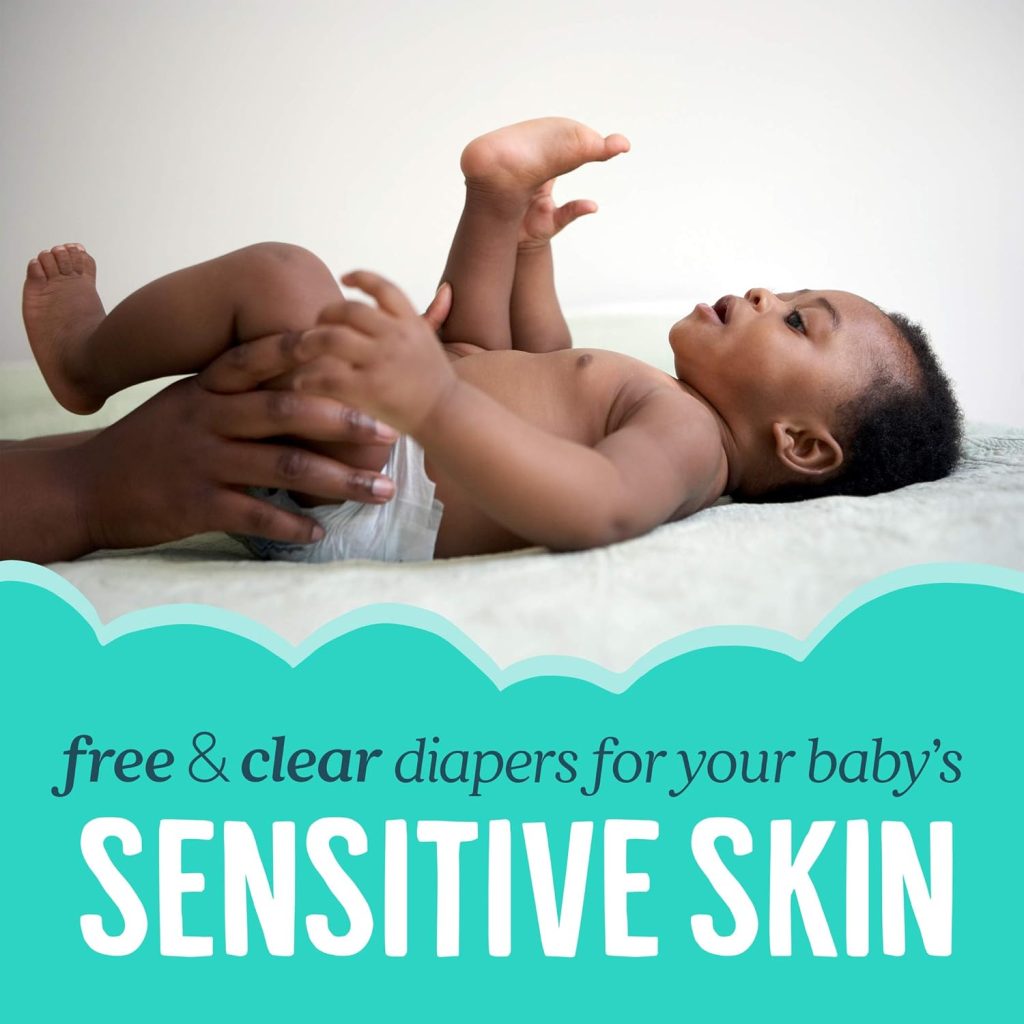
During use, we did not observe new, obvious rashes on babies who already have a history of mild sensitivity to fragranced products. Because the diapers are free from lotions and fragrances, we believe they reduce a common cause of irritation and are a reasonable choice for those prone to diaper dermatitis.
Fragrance-free and lotion-free benefits
Choosing a fragrance-free and lotion-free diaper removes two categories of common irritants and allergens, which can simplify management for babies with sensitive skin. For families managing eczema or frequent diaper rash, using products without added fragrances and lotions may reduce flare-ups when combined with proper skin care.
Practical use and convenience
We aimed to assess day-to-day convenience factors such as size accuracy, ease of change, storage, and portability. These practical considerations are important to caregivers managing busy routines.
Sizing accuracy and weight recommendation
The Size 5 recommendation of 27 to 35 pounds was accurate in our experience, and the fit worked well across an expected range of toddlers. As with any diaper, we suggest checking for a snug waist and adequate leg coverage to ensure performance.
Ease of changing and fastenings
The adhesive tabs were intuitive and remained sticky through normal repositioning, making cloth-style re-fastenings painless when adjustments were needed. The overall changing process felt straightforward and fast for both daytime and quick diaper swaps.
Packaging and storage tips
Because each pack contains 23 diapers, the box size is manageable for storage in small nurseries or diaper stations, and we had no trouble keeping spare packs on hand. If you prefer bulk buying, be aware that buying multiple packs may require more storage space but can sometimes yield a better per-diaper price.
Disposal, biodegradability, and environmental considerations
We evaluated how these diapers fit into our environmental concerns around single-use products and what trade-offs are involved in purchasing them. While these are not compostable diapers, there are several sustainability-oriented elements that reduce environmental harm relative to some alternatives.
End-of-life and disposal
These diapers are standard disposable products, meaning they belong in general waste streams rather than household compost or recycling in most municipal programs. The presence of FSC-certified wood pulp reduces demand on non-sustainably sourced fibers, but caregivers should still plan for typical waste management practices.
Sustainable sourcing and manufacturing notes
The FSC certification for wood pulp and the avoidance of chlorine bleaching are meaningful steps toward lower-impact manufacturing. For us, these actions signal a better balance between convenience and environmental responsibility compared with diapers that make no sustainability claims.
Comparison with other sensitive-skin diapers
We compared this product to other diapers in the sensitive-skin category to identify relative strengths and weaknesses. Cost, absorbency, and ingredient transparency were the primary comparison points.
How it stacks up on absorbency and comfort
Compared with other fragrance-free, hypoallergenic diaper brands, Seventh Generation’s high-capacity core performs competitively for daytime and moderate overnight use. Some higher-end or overnight-specific diapers still outperformed in absolute capacity, but those often come at a higher price point.
Value and price comparison
On a per-diaper basis, these typically sit in the mid-range — not the cheapest, but generally less expensive than premium specialty overnight brands. Given the combination of hypoallergenic materials and FSC-sourced pulp, we think the price represents a fair middle ground for families who want both safety and some sustainability.
Pros and cons
We compiled an honest list to help weigh the product’s strengths and limitations, which can guide purchasing decisions based on specific family needs.
Pros:
- Hypoallergenic, free from lotions and fragrances, reducing common sources of irritation.
- FSC-certified wood pulp and no chlorine bleaching in the core, reflecting better materials sourcing.
- Ultra-absorbent, high-capacity core that provides good daytime leak protection.
- Animal prints are pleasant, and printing inks are free from lead and heavy metals.
- Reliable elastic features and fasteners for good fit and mobility.
Cons:
- Not marketed as a biodegradable or compostable diaper, so disposal is in regular waste streams.
- For very heavy overnight wetting, performance may be less than specialty overnight diapers.
- Pack count (23) may be small for families who prefer bulk purchasing to minimize ordering frequency.
Who should consider buying these diapers?
We recommend these diapers for families who prioritize sensitivity-safe products without fragrances or lotions and who appreciate certified wood sourcing. They are a good match for caregivers wanting a balance between responsible materials and practical performance.
Scenarios where these shine
If you’re managing a baby with mild to moderate sensitivity, or you want to avoid perfumes and added lotions, these diapers provide a safer baseline. Families that value environmental credentials like FSC certification will appreciate the sourcing details.
Scenarios where you might look elsewhere
If your priority is maximum overnight dryness for a heavy wetter or absolute minimal waste through compostable solutions, you may want to consider dedicated overnight diapers or specialized eco-friendly disposables that explicitly state compostability.
Real-world parent feedback and community impressions
We scanned community discussions and parenting forums to capture experiences outside of our direct testing to give a broader set of user impressions. Many parents emphasize practical habits — such as fit and frequency of changing — as determinants of diaper performance.
Common praises from caregivers
Parents frequently praised the alcohol-free printing and the lack of fragrances, noting fewer odor-related complaints and reduced irritation incidents. Many appreciated the combination of quiet packaging and a non-plasticky feel compared with some alternatives.
Common concerns from caregivers
Some parents noted that the diapers can reach saturation on very heavy nights and would prefer a larger pack size for convenience. A few others said that fit varied slightly between batches, which is often a common observation across disposable diaper brands.
Price and availability
We checked typical retail channels and general pricing trends to give an idea of where these diapers fit into market options and how accessible they are to families.
Where to buy and typical pricing
These diapers are usually available at major retailers, online marketplaces, and specialty stores focused on natural or eco-friendly baby products. Prices vary by retailer and region, but they commonly appear in the mid-range per-diaper price tier, with occasional sales or discounts.
Buying tips and savings strategies
We recommend watching for multi-pack discounts, subscription savings at online retailers, or store-brand promotions that can lower costs. Comparing per-diaper pricing when purchasing in bulk versus single packs will help identify real savings.
Frequently asked questions
We answered the questions we hear most often from caregivers to provide quick, actionable clarity for decision-making.
Are these diapers safe for babies with eczema or very sensitive skin?
We found that the absence of fragrances and lotions reduces common irritants that can trigger flare-ups, making these a sensible choice for babies with eczema or sensitive skin. However, every baby is different, so monitoring skin response after switching products remains important.
How long can we expect each diaper to last before leaking?
Performance depends on fluid volume and baby activity; for typical daytime use, the high-capacity core handled multiple hours without issue. For heavy overnight wetting, changing closer to bedtime or choosing a specialized overnight diaper will be more reliable.
Is the FSC certification meaningful for reducing environmental harm?
Yes, FSC certification indicates the wood pulp comes from responsibly managed forests, which helps protect forests and biodiversity compared with non-certified sourcing. While it doesn’t make the diaper compostable, it does reduce the environmental footprint associated with fiber sourcing.
Are the inks truly free from heavy metals?
Seventh Generation states that the inks used on the diapers are free from lead and other heavy metals, which reduces concerns about long-term exposure from printed surfaces. We consider this a meaningful safety step, especially for items that come in close contact with babies.
Can we safely use these during travel or daycare?
Yes, these diapers work well for travel and daycare because they fasten reliably and handle moderate wear times without excessive leaking. For long travel days or variable schedules, packing extra diapers and planning for changes remains good practice.
Final verdict and recommendation
Putting together our testing, community feedback, and the product’s sustainability claims, we believe Seventh Generation Baby Diapers for Sensitive Skin, Animal Prints, Size 5, 23 Count, are a strong choice for many families. We recommend them for caregivers who want fragrance-free, hypoallergenic diapers with respectable absorbency and an eco-minded sourcing approach, while acknowledging that very heavy overnight wetters may want to supplement with a specialized overnight option.
Summary of our recommendation
If sensitive skin is a top concern and you prefer products with clear sustainability steps, these diapers offer a balanced combination of safety, comfort, and responsible sourcing. They’re a practical, family-friendly option that supports both baby comfort and better forestry practices, while remaining competitively priced for everyday use.
If you’d like, we can compare these side-by-side with a couple of alternative brands to show exact differences in absorbency, materials, and price per diaper.

![Pampers Swaddlers Disposable Baby Diapers Size 4, One Month Supply (150 Count) with Sensitive Water Based Baby Wipes 4X Pop-Top Packs (336 Count) [Packaging May Vary] review](https://babymomtips.com/wp-content/uploads/2026/10/pampers-swaddlers-disposable-baby-diapers-size-4-one-month-supply-150-count-with-sensitive-water-based-baby-wipes-4x-pop-1-218x150.jpg "Pampers Swaddlers Disposable Baby Diapers Size 4, One Month Supply (150 Count) with Sensitive Water Based Baby Wipes 4X Pop-Top Packs (336 Count) [Packaging May Vary] review")
![Pampers Swaddlers Disposable Baby Diapers Size 5, One Month Supply (132 Count) with Sensitive Water Based Baby Wipes 4X Pop-Top Packs (336 Count) [Packaging May Vary]](https://babymomtips.com/wp-content/uploads/2026/09/pampers-swaddlers-disposable-baby-diapers-size-5-one-month-supply-132-count-with-sensitive-water-based-baby-wipes-4x-pop-218x150.jpg "Pampers Swaddlers Disposable Baby Diapers Size 5, One Month Supply (132 Count) with Sensitive Water Based Baby Wipes 4X Pop-Top Packs (336 Count) [Packaging May Vary]")