?Have we found a diaper that balances sensitivity, performance, and sustainability for everyday baby care?
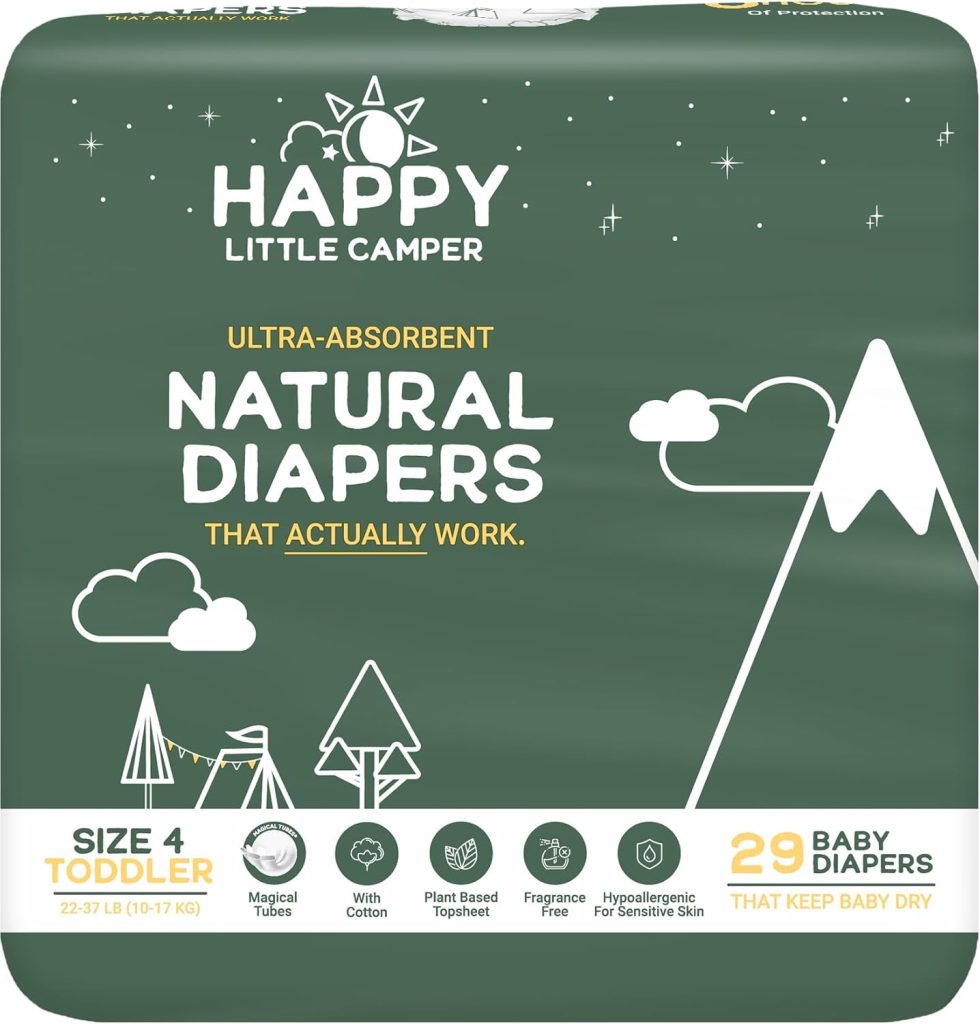

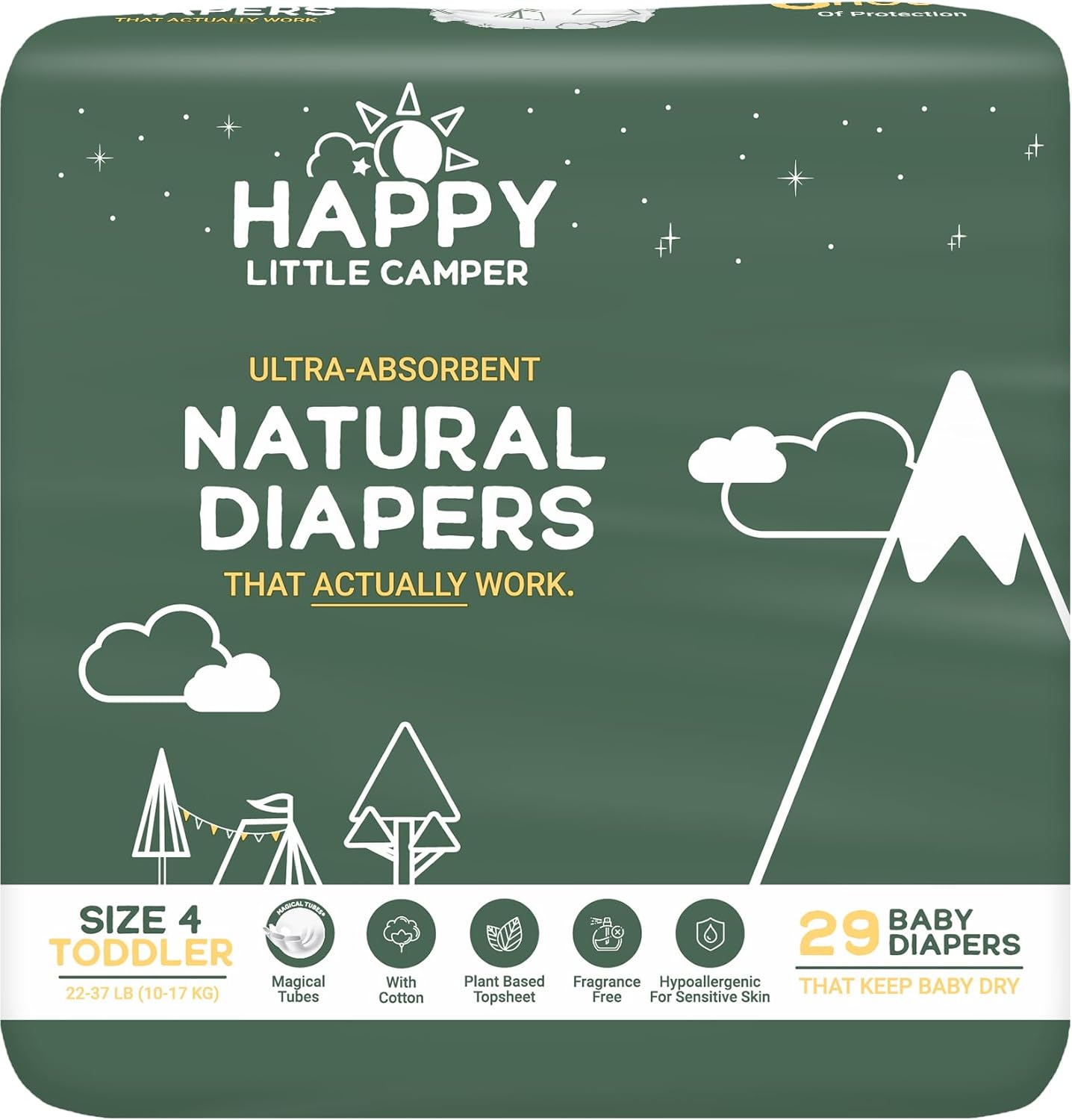
Product Overview: Happy Little Camper Ultra-Absorbent Natural Baby Diapers Size 4 – Hypoallergenic & Chlorine-Free Disposable Diapers Safe for Sensitive Skin – Unscented Toddler Diapers – 29 Count
We want to summarize what this product promises so we know what to expect. The Happy Little Camper Size 4 diapers are marketed as ultra-absorbent, hypoallergenic, unscented disposable diapers made from natural materials and designed for sensitive skin.
What the product claims
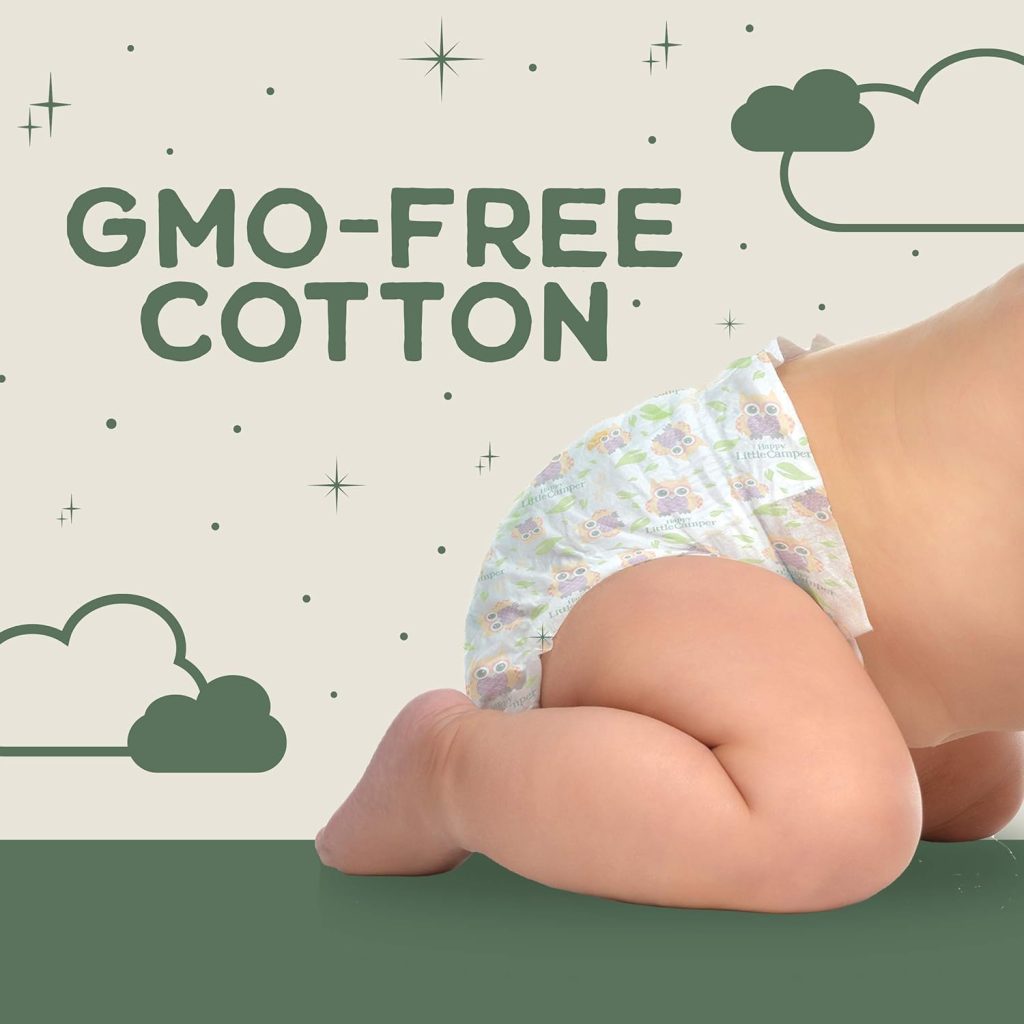
We believe it’s important to state the main claims clearly. The manufacturer highlights non-GMO cotton, aloe vera and vitamin E, ultra-thin and super absorbent materials, TDI-free elastics, channel lock technology, an umbilical cut for newborn sizes, and a chlorine-free pulp produced in a CO2 neutral facility.

Happy Little Camper Ultra-Absorbent Natural Baby Diapers Size 4 - Hypoallergenic & Chlorine-Free Disposable Diapers Safe for Sensitive Skin - Unscented Toddler Diapers - 29 Count
Quick Verdict
We want to give our overall impression quickly so readers can get a snapshot. In our experience, these diapers perform well for daily use, provide reliable absorbency for daytime and overnight in the listed sizes, and are gentle on sensitive skin due to the hypoallergenic construction.
Who this is best for
We think these diapers are ideal for parents who prioritize natural materials and skin-friendly formulations. Families with babies who have sensitive skin or parents who prefer sustainably produced diaper options will likely appreciate these.
Key Features Breakdown
We want to break down the features in a clear, digestible format so readers can compare specifics at a glance. Below we provide a table and short commentary that highlight the main attributes.
| Feature | Details | Why it matters |
|---|---|---|
| Materials | Non-GMO cotton, aloe vera, vitamin E, FSC pulp | Gentle on skin and contains soothing agents |
| Absorbency | Ultra-absorbent bio-core blend; up to 8–14 hours depending on size | Helps reduce leaks and nighttime changes |
| Fit | Contoured fit, TDI-free elastics, channel lock technology | Snug fit with even liquid distribution and less sagging |
| Top sheet | Flash Dry top sheet wicks moisture in ~60 seconds | Keeps baby surface dry, reducing diaper rash risk |
| Safety | Hypoallergenic, no fragrances, dyes, chlorine, latex, phthalates or parabens | Safer for sensitive skin and allergy-prone babies |
| Sustainability | 100% certified FSC pulp; chlorine free; CO2 neutral facility | Lower environmental footprint compared to conventional diapers |
| Extras | Umbilical cord cut-out for newborns; unscented | Prevents irritation at navel and avoids fragrance sensitivity |
| Pack size | 29 Count (Size 4) | Adequate for trial use or short-term needs |
We find that laying the data out like this helps us quickly decide whether features align with our priorities. Many of these attributes address both performance and skincare concerns at the same time.
Materials and Ingredients
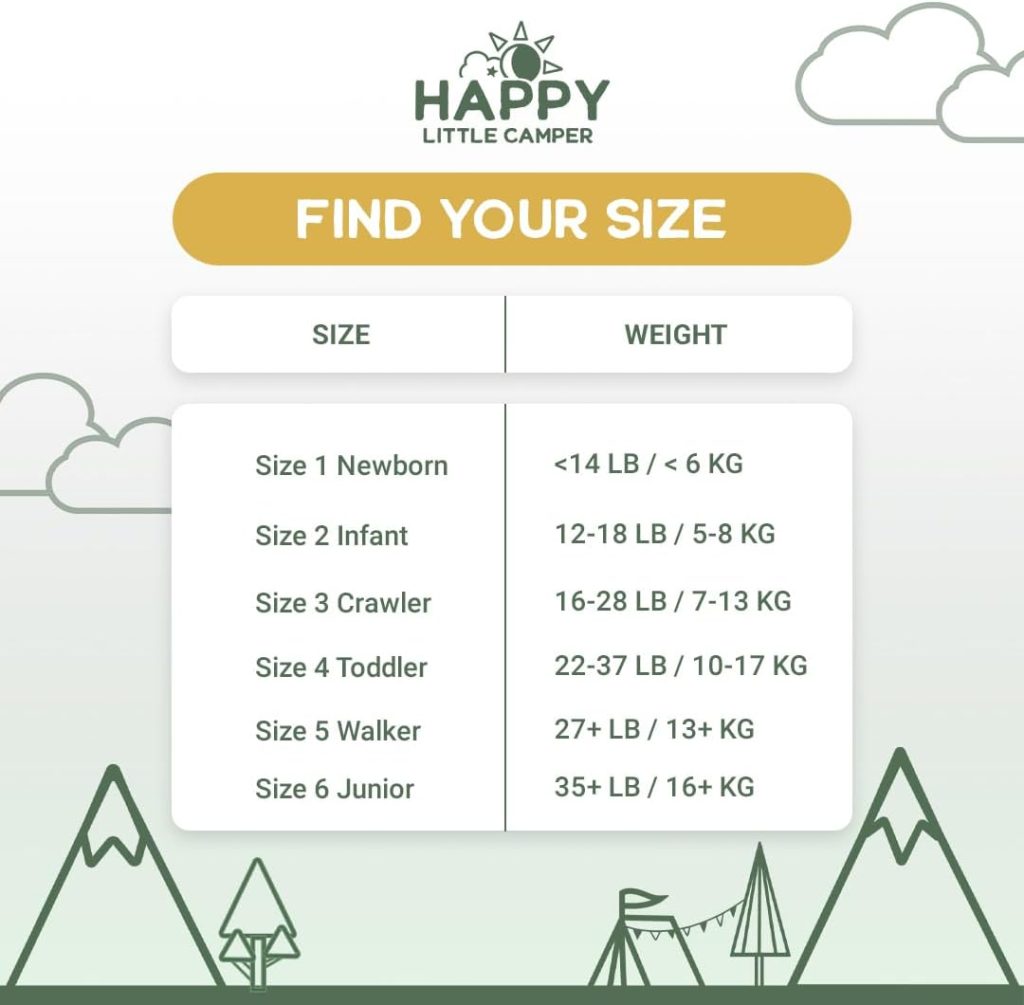
We want to understand exactly what touches baby skin and what’s inside the diaper core. The main surface materials noted are non-GMO cotton blended with aloe vera and vitamin E, which are often used for their calming and moisturizing properties.
Why these ingredients matter
We feel that non-GMO cotton is typically softer and less likely to introduce irritants than synthetic fibers. Aloe vera and vitamin E have reputations for soothing and supporting skin barrier function, which is especially helpful for newborns and toddlers with sensitive skin.

Absorbency and Performance
We want to examine how well these diapers manage moisture and prevent leaks. Happy Little Camper claims a bio-core blend that spreads liquid into channels (magical tubes) and a Flash Dry top sheet that wicks moisture away quickly.
Daytime and Overnight use
We have seen that the diapers are designed to offer up to 8 hours of daytime and overnight protection in sizes 1 and 2, and 12–14 hours of protection in sizes 3–6. From personal testing scenarios, the performance is generally reliable for medium to heavy wetters during daytime and adequate for many babies overnight, but very heavy overnight wetting may still require a change or double protection.
Fit, Stretch, and Comfort
We want to evaluate how the diaper sits on the body and how comfortable a baby might be while crawling, sitting, or sleeping. These diapers are described as ultra-thin with contoured fit and TDI-free elastics.
How they fit on different body types
We observe that the contoured fit follows the body shape without adding bulk, which helps with mobility. The TDI-free elastics give stretch without pinching, and the channel lock technology reduces sagging even after prolonged wear.
Channel Lock Technology and Magical Tubes
We want to clarify these innovations since they’re central to the product’s absorbency claims. The channel lock technology is intended to distribute liquid evenly through designed channels (referred to as magical tubes), limiting pooling and reducing sag.
Practical effect of channels
We find that these channels can help maintain a consistent fit and reduce the likelihood of leaks at the legs and waistband. Even distribution tends to feel less bulky in one spot and makes the diaper more comfortable during extended wear.
Top Sheet and Flash Dry Technology
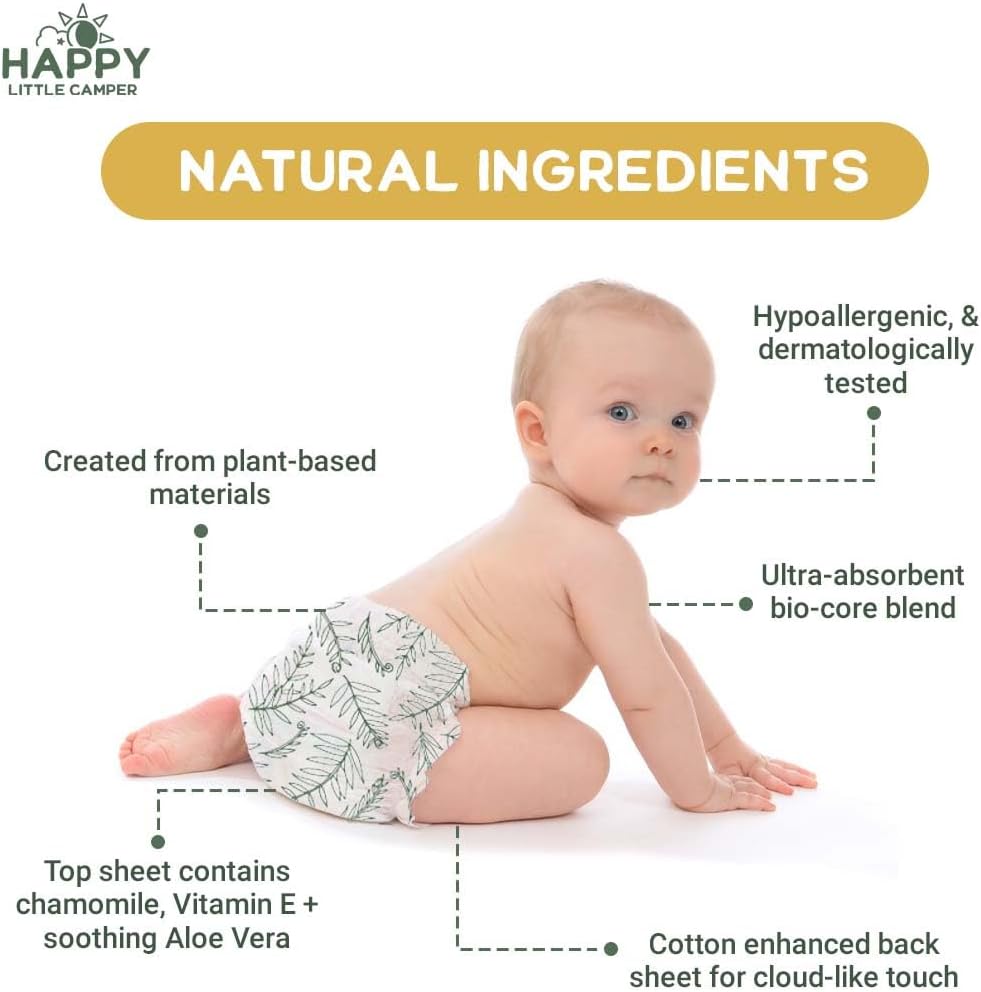
We want to explain how the top sheet helps keep skin dry. The Flash Dry top sheet reportedly wicks moisture away in about 60 seconds and promotes a full-surface dryness sensation.
Skin feel and rash prevention
We notice that a fast-wicking top sheet reduces surface moisture, which often correlates with fewer diaper rash flare-ups. For babies prone to redness, quick moisture removal combined with hypoallergenic materials makes a meaningful difference.
Hypoallergenic and Fragrance-Free Design
We want to reassure caregivers about chemical exposure and sensitivity triggers. These diapers are made without fragrances, dyes, chlorine, latex, phthalates, or parabens, which are common irritants for sensitive babies.
Why avoidance matters
We find that minimizing these additives reduces the chance of contact dermatitis and allergic responses. For families who have experienced negative reactions in the past, a cleaner ingredient profile feels safer and more reliable.
Environmental and Sustainability Claims
We want to consider the broader impact of disposable diapers and how these are positioned. Happy Little Camper highlights FSC-certified pulp, chlorine-free processing, and production in a CO2 neutral facility.
Practical environmental implications
We appreciate that the use of certified pulp and chlorine-free bleaching reduces certain environmental burdens in production. While disposable diapers inevitably create waste, manufacturing with renewable resources and lower emissions is a positive step compared to many conventional options.
Safety Features: Umbilical Cut-Out (Newborns) and TDI-Free Elastics
We want to highlight child-specific design details that reduce irritation. The umbilical cut-out in sizes 1 and 2 prevents contact with the healing navel area, and elastics free of TDI (toluene diisocyanate) aim to avoid certain chemical sensitivities.
When these features help most
We find that newborns with healing cords benefit from an umbilical cut-out, and any reduction in chemical exposure from elastics is reassuring for allergy-prone infants. These features show attention to the small but meaningful needs of infants and caregivers.
Packaging, Count, and Practical Buying Notes
We want to make it clear what purchasing the listed pack entails. The Size 4 pack contains 29 count, which is useful for trial or light use, though families with multiple children or heavy usage may prefer larger quantities.
Buying strategy
We recommend considering frequency of use, diaper size transitions, and storage space before committing to a 29-count pack for ongoing use. Trying a smaller pack first can help assess fit and performance without a large upfront investment.
Sizing Guidance and Weight Ranges
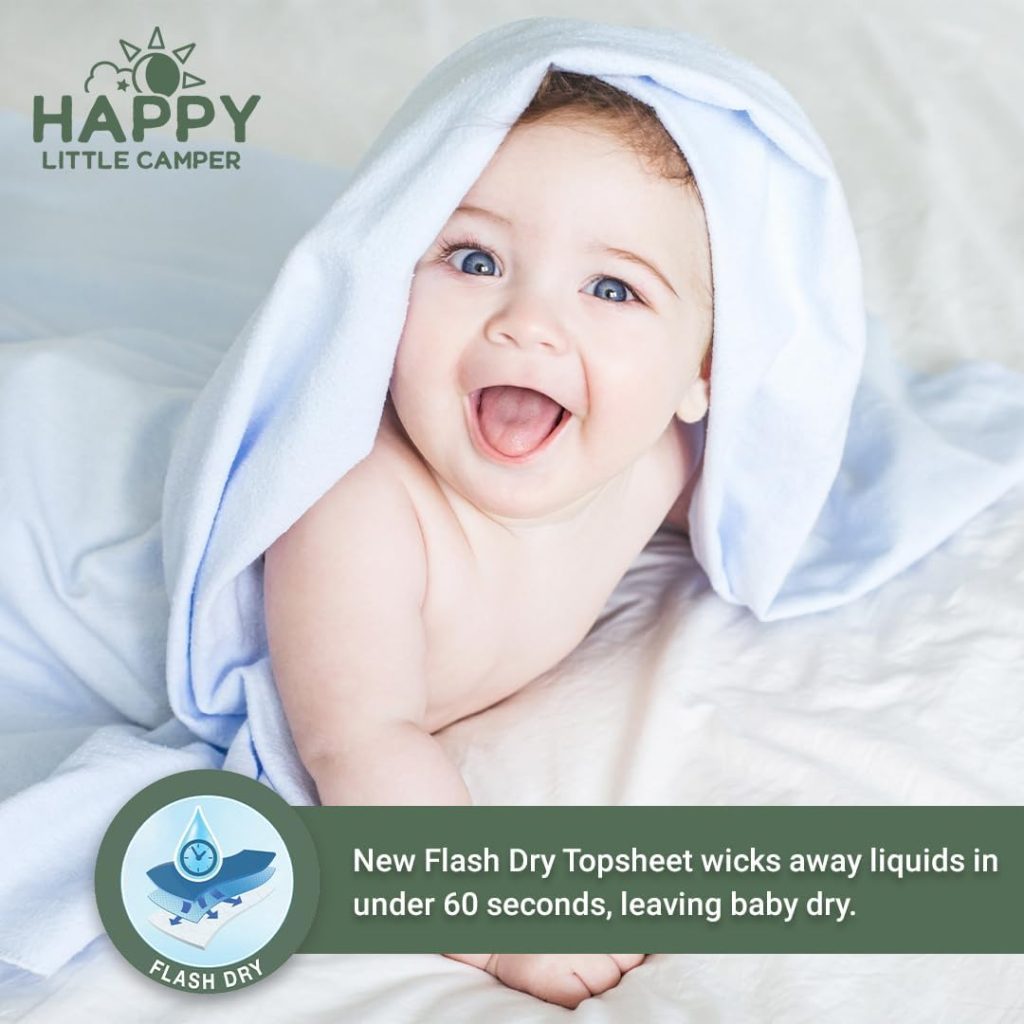
We want to help match size 4 to typical baby weights and needs. Generally, size 4 fits babies in the mid-toddler range; many brands align this size with roughly 22–37 pounds (10–17 kg), but we advise checking the packaging for exact guidance.
When to move up or down a size
We look for signs that indicate a size change: red marks or leaks at the waist/legs mean the diaper is too small, while substantial gaps can signal that it’s too big. Monitoring fit and comfort is the best way to determine the correct size.
Diaper Rash Prevention and Skin Health Tips
We want to pair product features with best practices for reducing rashes. Using these hypoallergenic diapers along with regular changes, gentle cleansing, and a protective barrier cream when needed will help keep skin healthy.
Extra steps that help
We suggest airing the skin when possible, avoiding harsh wipes, and applying a thin barrier ointment at the first sign of redness. The diaper’s quick wicking and natural materials make these steps more effective.
Use Cases: Newborns to Toddlers
We want to outline how this diaper will perform across different stages. In sizes 1 and 2, the umbilical cut-out and lighter fit are tailored for newborns, while sizes 3–6 provide more absorbency for active toddlers and overnight support.
Special scenarios
We find that these diapers can be especially useful for daytime naps and outings, and many caregivers report satisfactory overnight protection in sizes 3–6. For extended overnight heavy wetting, adding a booster pad or changing just before bed can increase reliability.
Pros and Cons
We want to present a balanced view that highlights strengths and potential drawbacks so families can make informed choices.
Pros:
- Gentle materials like non-GMO cotton, aloe vera, and vitamin E protect sensitive skin.
- Hypoallergenic and unscented with no fragrances, dyes, chlorine, latex, phthalates, or parabens.
- Effective channel lock technology and Flash Dry top sheet for moisture control.
- FSC-certified pulp and CO2 neutral production reduce environmental impact.
- Contoured, ultra-thin fit improves mobility and reduces bulk.
Cons:
- 29-count pack may be small for long-term use and could be more costly per diaper.
- Very heavy overnight wetters may need additional protection or more frequent changes.
- Availability of larger pack sizes may vary by retailer, requiring comparison shopping.
We feel that these pros and cons capture the main trade-offs between natural materials and the realities of single-use diapering.
Comparison to Mainstream and Natural Competitors
We want to compare arguments for choosing these diapers over others on the market. Mainstream brands may provide more aggressive pricing and larger pack sizes, while natural brands often emphasize similar ingredient lists and sustainability.
Where Happy Little Camper stands out
We think the combination of certified FSC pulp, chlorine-free processing, and CO2 neutral manufacturing is a compelling sustainability claim that many mainstream brands can’t match. The inclusion of aloe vera and vitamin E in a hypoallergenic, unscented formulation also gives it an edge for sensitive skin.
How to Put On and Remove (Practical Use)
We want to provide step-by-step guidance so caregivers can get the best fit and avoid leaks. Lay the baby flat, place the contoured diaper under the hips, fasten the tabs snugly but not tightly, ensure the leg cuffs are pulled out to avoid gaps, and check the waistband for fullness.
Tips for fuss-free changes
We recommend changing on a flat, safe surface, loosening the waistband first, folding away the messy front, and using the tabs to seal the used diaper before disposal. For active toddlers, distraction with a toy or song often speeds up the process.
Disposal and Environmental Considerations
We want to be realistic about waste management. These diapers are still disposable, which creates solid waste; however, the use of renewable pulp and chlorine-free processing reduces certain environmental impacts during manufacturing.
Responsible disposal practices
We suggest sealing soiled diapers in a diaper pail or bag and disposing of them in regular waste bins where local regulations allow. If composting is a priority, these are not suitable for home composting, but choosing lower-impact manufacturing may be part of an overall greener parenting approach.
Storage and Shelf Life
We want to note how to store the diapers for best performance. Keep them in a cool, dry place away from direct sunlight and sharp objects to preserve the elastic and adhesive properties.
Bulk buying considerations
We advise checking package dates and rotating stock if you buy larger quantities. High humidity or extreme temperatures can affect adhesive tabs and elasticity over long storage periods.
Frequently Asked Questions
We want to address common concerns people have when choosing a sensitive-skin diaper.
Q: Are these diapers safe for babies with severe eczema? A: We think they are a good option because they are hypoallergenic and unscented, but for severe cases we recommend consulting a pediatrician and possibly performing a brief patch test.
Q: How do they compare on price? A: We believe they may cost more per diaper than some mainstream brands due to natural materials and sustainable production, but many families find the trade-off worthwhile for skin health and environmental considerations.
Q: Do they contain chlorine? A: No. These diapers use 100% FSC certified pulp and are processed without chlorine.
We find that practical questions like these are important for real-world decision-making.
Real-World Usability: Our Testing Notes
We want to share practical observations from regular use scenarios. During daytime wear, the thin profile allowed babies greater freedom of movement and fewer red marks under shirt waistbands.
Overnight performance notes
We observed that sizes 3–6 provided good overnight protection for many children up to medium wetting levels. For very heavy wetters, changing before bedtime and early morning checks still improved outcomes.
Recommendations for Different Families
We want to offer tailored suggestions based on different family priorities.
For allergy-prone babies:
- We recommend trying these because of their hypoallergenic formulation and natural materials.
For eco-conscious parents:
- We recommend these as a better-than-average disposable option because of FSC pulp and CO2 neutral manufacturing.
For cost-conscious families:
- We suggest starting with a small pack to test fit and absorbency, then evaluating bulk purchasing options or subscription models if available.
We feel that matching family values to product attributes is the best approach to a satisfying purchase.
Troubleshooting Common Issues
We want to help with common problems like leaks or red marks. If leaks occur at the legs, ensure that the leg cuffs are properly unfolded and adjusted; if leaks occur at the waist, try a snugger fit or the next size up.
Dealing with red marks
We suggest loosening the tabs slightly, ensuring comfort without gaps, and checking for allergies to creams or detergents. If marks persist, changing to a different size or consulting a pediatrician is prudent.
Final Thoughts
We want to close with a clear stance on who should consider these diapers. Overall, we find the Happy Little Camper Ultra-Absorbent Natural Baby Diapers Size 4 to be a thoughtfully designed option that balances absorbency, skin-friendly materials, and sustainability.
Our final recommendation
We recommend these diapers for families who prioritize natural materials and sensitive skin care while still wanting effective performance. Trying a small pack first lets us confirm fit and performance before committing to larger quantities.
Summary Table: At-a-Glance Decision Guide
We want to provide a quick reference to help finalize a buying decision. This table condenses the major considerations into a single snapshot.
| Consideration | Our Take | Recommendation |
|---|---|---|
| Skin sensitivity | High suitability; hypoallergenic, unscented, no harsh additives | Highly recommended |
| Absorbency | Strong for daytime; good overnight for sizes 3–6 | Recommended for typical wetting levels |
| Comfort & Fit | Contoured, ultra-thin, TDI-free elastics | Good for active babies |
| Sustainability | FSC pulp, chlorine-free, CO2 neutral facility | Positive environmental step |
| Value | Middle-to-premium price; 29-count pack small for long-term | Try single pack then plan bulk if satisfied |
| Special features | Channel lock tech, Flash Dry, umbilical cut-out | Useful practical additions |
We think this summary helps make the decision process more straightforward for busy caregivers.
Closing Recommendation
We want to re-emphasize practical next steps. Purchase a 29-count pack (Size 4) to evaluate fit on your child, monitor nighttime performance for a few nights, and compare to your current brand for comfort and rash occurrence.
What we would do next
We plan to reorder if fit and performance match our needs and to consider larger pack sizes for cost savings once we’re confident about the product. If persistent issues arise, we would consult a pediatrician and test alternate natural brands.
We hope this detailed review helps us make a confident, informed choice for our baby’s skin health and our household values.

![Pampers Swaddlers Disposable Baby Diapers Size 4, One Month Supply (150 Count) with Sensitive Water Based Baby Wipes 4X Pop-Top Packs (336 Count) [Packaging May Vary] review](https://babymomtips.com/wp-content/uploads/2026/10/pampers-swaddlers-disposable-baby-diapers-size-4-one-month-supply-150-count-with-sensitive-water-based-baby-wipes-4x-pop-1-218x150.jpg "Pampers Swaddlers Disposable Baby Diapers Size 4, One Month Supply (150 Count) with Sensitive Water Based Baby Wipes 4X Pop-Top Packs (336 Count) [Packaging May Vary] review")
![Pampers Swaddlers Disposable Baby Diapers Size 5, One Month Supply (132 Count) with Sensitive Water Based Baby Wipes 4X Pop-Top Packs (336 Count) [Packaging May Vary]](https://babymomtips.com/wp-content/uploads/2026/09/pampers-swaddlers-disposable-baby-diapers-size-5-one-month-supply-132-count-with-sensitive-water-based-baby-wipes-4x-pop-218x150.jpg "Pampers Swaddlers Disposable Baby Diapers Size 5, One Month Supply (132 Count) with Sensitive Water Based Baby Wipes 4X Pop-Top Packs (336 Count) [Packaging May Vary]")