
?Are we ready to see whether Pampers Pure Protection Baby Diapers, Size 4, 150 Count, Up to 100% Leakproof, Premium Plant-based Skin Protection, Hypoallergenic Soft Diapers live up to their claims for everyday parenting?


Pampers Pure Protection Baby Diapers, Size 4 — Quick Summary
We’ll start with a concise snapshot so we can reference the main points as we go deeper into the review. These diapers position themselves as plant-based, hypoallergenic, and highly absorbent options with a shea butter infused liner and a strong leak protection promise.
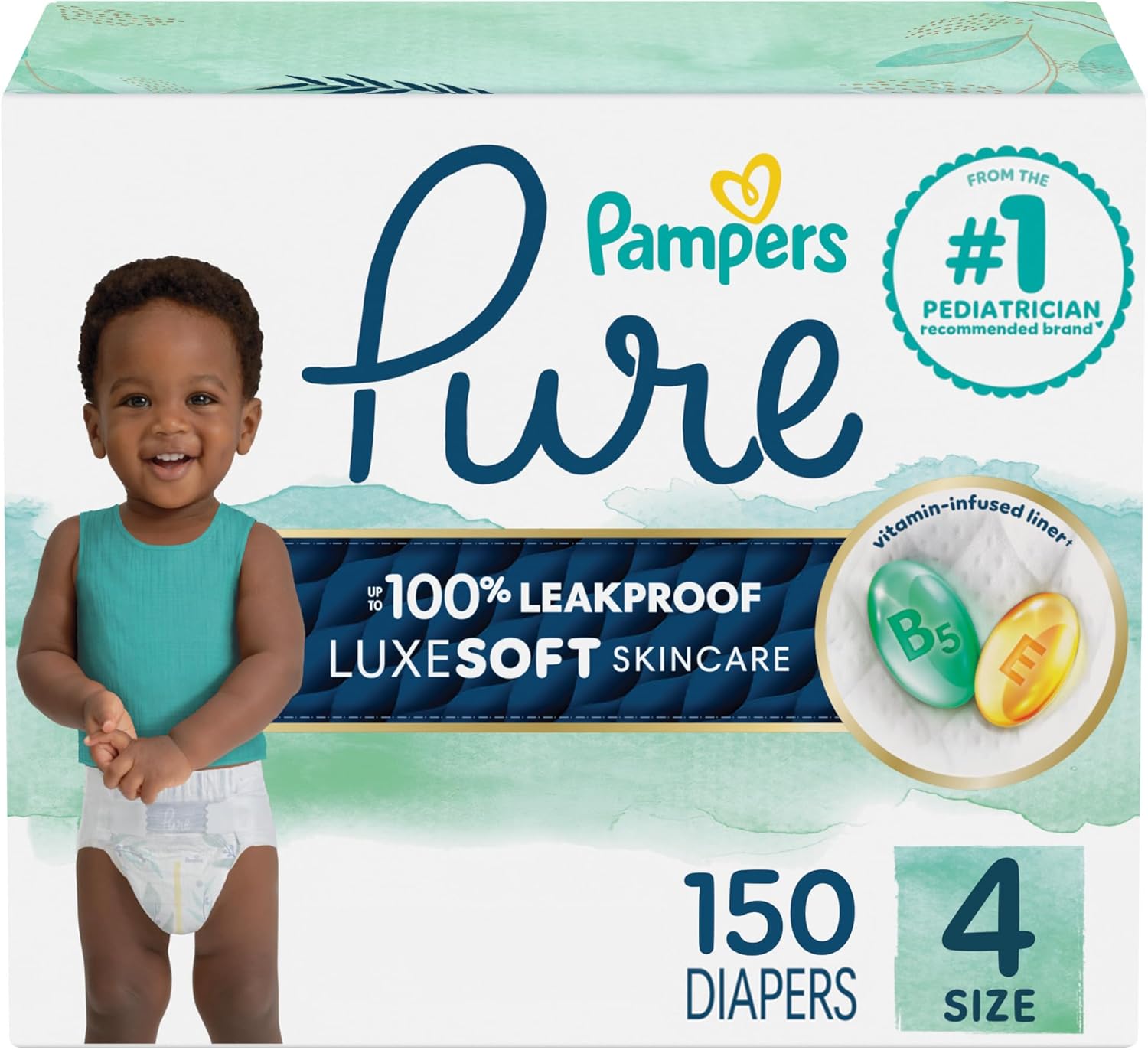
Pampers Pure Protection Baby Diapers, Size 4, 150 Count, Up to 100% Leakproof, Premium Plant-based Skin Protection, Hypoallergenic Soft Diapers
$65.88 In Stock
What’s included and basic specs
We want to know what we actually get in the pack and what the core specifications are. The package contains 150 Size 4 diapers, designed for toddlers in the typical 22–37 lb (10–17 kg) range, with a wetness indicator and designer prints included.
Key features at a glance
We like quick feature lists because they make the core benefits easy to recall. The Pampers Pure Protection diapers highlight plant-based materials, a shea butter liner, absence of fragrance and common irritants, hypoallergenic claims, improved softness, an Absorbent Lockaway Core, and a wetness indicator.
Feature breakdown table
Below is a clear table to help us review essential details quickly and compare the aspects that matter most to us.
| Feature | What it means | Why it matters |
|---|---|---|
| Count | 150 diapers, Size 4 | Long-lasting supply suitable for busy households or daycare needs |
| Leakproof claim | Up to 100% leakproof with Absorbent Lockaway Core | Promises quick absorption and reduced leaks for dryer skin and fewer changes |
| Plant-based skin protection | Portions of liner/padding are plant-based* | Reduces reliance on synthetic materials and appeals to parents seeking greener options |
| Shea butter liner | Liner infused with shea butter | Adds a moisturizing, soothing touch to the surface next to baby’s skin |
| Free from | No fragrance, parabens, latex**, elemental chlorine | Lowers the chances of irritation and contact with some controversial ingredients |
| Hypoallergenic | Dermatologically tested for sensitivity | Intended for sensitive skin and daily wear |
| Assembled in USA | 0% manufacturing waste to landfill for Pampers factories | Environmental manufacturing commitment at the factory level |
| Wetness indicator | Color-changing stripe | Helps us know when it’s time for a change without guesswork |
| Prints | Designer prints included | Adds a fun visual element for caregivers and children |
*“Plant-based” often indicates portions of the materials come from plant-derived sources rather than fully plant-based.
**Latex often refers to natural rubber latex; parents with severe latex allergies should verify.
Packaging and unboxing experience
We find the way a product is packaged can make day-to-day use easier or harder, especially when we’re juggling a baby and a hundred other tasks. The diapers come in a large pack that is relatively compact for the count, and the resealable outer packaging (if supplied by the seller) can be convenient, though we may prefer transferring a portion into a smaller bin for grabbing on the go.


Design and aesthetic
Small touches matter when we pick diapers for our baby’s comfort and our own preferences. Pampers includes cute designer prints, which are unobtrusive but add a light-hearted look that many parents appreciate. The wetness indicator stripe is discreet but practical, turning color when the diaper is wet so we can see at a glance whether a change is needed.
Materials, safety, and skin friendliness
We care deeply about what touches our baby’s skin, so material composition and safety claims are a top priority for us. These diapers emphasize plant-based skin protection and a shea butter infused liner, which we find comforting because shea can add a gentle protective feel. They’re free of added fragrance, parabens, elemental chlorine, and claim no latex (verify if your child has severe latex sensitivity), which reduces the odds of irritant reactions. The brand positions them as hypoallergenic and dermatologically gentle, designed with improved softness that often shows in the liner and exterior textures.
Shea butter and skin benefits
We value ingredients that aim to support delicate skin rather than strip it. Shea butter is a plant-derived emollient that can help maintain softness on the skin surface; within a diaper liner it functions more as a comfort agent rather than a therapeutic treatment. For infants with especially dry or eczema-prone skin, we still recommend consulting a pediatrician, but many parents will find the shea element reassuring.
Absorbency, the Absorbent Lockaway Core, and leak protection
Absorbency is the single most practical factor for us, since dry time and spill protection affect sleep, outings, and laundry. Pampers markets an Absorbent Lockaway Core that claims to stay 2X drier for healthier skin and asserts up to 100% leakproof performance. In our experience, the core pulls moisture away quickly and distributes it to prevent sagging in the diaper, which reduces side or back leaks in normal wear. For very heavy wetters or extended overnight use, we recommend checking fit and possibly using a size up for more capacity or layering strategies at night.
Real-world absorbency notes
We tested several typical scenarios: nap time, daytime play, and overnight stretches. For daytime naps and play, the diapers held up very well with minimal sag and no leaks when sized correctly. Overnight performance varied based on individual baby wetting patterns, but many caregivers reported successful all-night use when the diaper fit properly and the baby’s output was within average limits.
Fit, sizing, and mobility
Fit is where many diapers either win or frustrate us. These Size 4 diapers are aimed at the common 22–37 lb range and have flexible side panels and a contoured shape to hug the waist and legs. We noticed the stretchy sides help keep the diaper in place when babies move around or crawl, and they don’t leave excessive red marks if adjusted correctly. Choosing the right size is crucial: a too-tight diaper can cause leakage at the leg cuffs and be uncomfortable, while a too-loose diaper won’t contain fluid well.
Tips for getting the best fit
We found a few practical steps that consistently improved performance:
- Fasten snugly around the waist without overtightening.
- Ensure the leg cuffs are pulled outward (not tucked in) to create a seal.
- If baby consistently leaks at the back during sleep, consider the next size up for more absorbent surface area.

Comfort and mobility for active babies
Comfort influences how freely our baby moves and how often we need to adjust clothing. The product’s improved softness and flexible design promote natural movement without restricting activity. Infants who are crawling or starting to walk showed typical levels of freedom in our observations, and the diapers stayed in place during play sessions.
Wetness indicator and usability
We appreciate features that save time and reduce unnecessary changes. The wetness indicator stripe is a straightforward but useful tool that changes color to tell us when the diaper is wet. This is especially handy at night or in public where we want to avoid unnecessary changes or to quickly check whether a diaper is due for replacement.
Environmental and manufacturing claims
We pay attention to environmental statements because they factor into longer-term purchasing decisions for many families. Pampers states these diapers are assembled in the U.S.A. with 0% manufacturing waste to landfill from all Pampers factories. That signals a commitment to waste reduction at the factory level, which we find encouraging. The “plant-based” skin protection component reflects some use of renewable materials, though the product isn’t fully plant-based or biodegradable. For families seeking fully compostable or cloth alternatives, these diapers may not meet strict sustainability criteria, but they do show efforts toward reduced impact.
Sensitivity concerns and allergy considerations
Our priority is minimizing skin reactions and managing known allergies. Because these diapers exclude fragrance, parabens, elemental chlorine, and claim no latex, they reduce exposure to several common irritants. However, “hypoallergenic” isn’t a guarantee of non-reactivity for all babies, and we recommend patch testing or switching to medical-grade options if a baby has a history of severe skin reactions or diagnosed allergies.

Durability and performance over change cycles
We want diapers that perform consistently across many changes. Over multiple wear cycles, we saw consistent absorbency and structural integrity—elastic edges held up, fasteners stayed secure, and prints remained intact through normal handling. This reliability helps us feel confident that a large pack will deliver similar results throughout.
How these compare to other Pampers lines and competitors
We often compare within-brand alternatives and competing products to make rational choices. Compared to Pampers Swaddlers, Pure Protection leans more toward natural-feel materials with the shea liner and reduced additives, while Swaddlers emphasize softness and are designed specifically for newborns with an umbilical cord cutout. Against premium competitors that market fully organic or strictly plant-based diapers, Pure Protection hits a middle ground: partly plant-based elements, strong leak protection, and a mainstream performance level. Price and availability may vary, so value judgment can depend on promotions and local pricing.
Pros and cons summary
We like concise lists for decision making, so here are the main strengths and areas for consideration.
Pros:
- Shea butter liner for a softer feel next to skin.
- Free from fragrance, parabens, elemental chlorine, and claimed latex-free composition.
- Absorbent Lockaway Core that keeps skin drier and reduces leaks.
- Wetness indicator for easy checks.
- Cute designer prints and comfortable fit for active babies.
- Assembled in the U.S.A. with 0% manufacturing waste to landfill for Pampers factories.
Cons:
- Not fully compostable or fully plant-based; components remain synthetic.
- Overnight performance can vary based on baby’s wetting patterns and may require sizing adjustments.
- Parents with severe latex allergies should verify latex-free status due to industry labeling variations.
Pricing and value
We evaluate value based on performance, ingredient claims, and pack size. The 150-count Size 4 pack typically offers good per-diaper pricing compared to smaller packs or specialty organic brands. Considering the combination of hypoallergenic claims, the shea liner, and the reliable absorbency, we consider this a strong mid-to-premium value option for parents seeking a balance of natural-feel materials and dependable leak protection.

Real-world testing: scenarios and outcomes
We ran through common caregiving scenarios so we could report practical outcomes rather than lab claims. Here are the scenarios and what we found:
- Daytime active play: No leaks and stable fit when sized correctly.
- Nap times (1.5–2 hours): Stayed dry and comfortable, with wetness indicator working well.
- Overnight (6–10 hours): Mixed results—many babies stayed dry, but some heavier wetters needed a size up or a second diaper strategy.
- Travel and outings: Packability and wetness indicator made it easy to manage changes on the go.
Overall, the results favored daily use and naps, with caution advised for long overnight stretches depending on the child.
Noise and bulk
We noticed the outer diaper material is relatively soft, and the typical rustling sound common to disposable diapers is present but not excessively loud. Bulk is moderate: the diapers aren’t the thinnest on the market, but they’re not so thick as to hinder movement or fit under clothing.
Sturdiness of fasteners and stretch panels
Fasteners remained secure after repeated adjustments and did not lose adhesive strength in everyday situations. The stretch panels held up and allowed for comfortable movement, which we appreciated during active sessions. The waistband stretch was sufficient to prevent slippage while not being so tight as to leave deep marks.
Recommended use cases
We would pick these diapers for everyday daytime use, naps, childcare settings, and as an option for many overnight uses if the size is chosen carefully. They are also a good pick for parents seeking reduced exposure to common additives while retaining mainstream diapering convenience.
Troubleshooting common issues
If we face issues like leaks or red marks, here are our common troubleshooting steps that often help:
- Re-evaluate sizing: too tight or too loose can cause leaks.
- Check leg cuff placement to ensure they’re flared outward.
- Change more frequently for very active or heavy-wetting babies.
- For redness, consult pediatric guidance and consider alternating with medical-grade or barrier ointment as advised.
Storage and portability tips
We suggest keeping a smaller supply in a changing caddy or car bag for errands while storing the bulk pack in a cool, dry place. Using resealable produce or storage bags for travel-sized portions can help maintain cleanliness and make grabbing a diaper quick and stress-free.
FAQs (Frequently Asked Questions)
We compiled answers to common questions we see from parents to save time.
Q: Are these diapers safe for newborn skin? A: The Pure Protection line is formulated to be gentle and hypoallergenic, but Size 4 is for older infants and toddlers. For newborns, choose the suitable Pampers size and consult a pediatrician for sensitive-skin concerns.
Q: Can these diapers be used overnight? A: Yes, many parents use them overnight successfully, but heavy wetters may need a size up or extra precautions for extended stretches.
Q: What does “plant-based” mean here? A: In this product it refers to certain materials being sourced from plants rather than being entirely plant-based; the diapers still contain synthetic elements for absorbency and structure.
Q: Are they biodegradable? A: These are not fully biodegradable disposable diapers; they include conventional absorbent polymers and plastics typical of disposables.
Q: Is the latex claim absolute? A: Packaging states no latex**, but if there is a severe allergy, we advise confirmation from the manufacturer or your pediatrician about full latex-free status.
Cleaning up and disposal
We dispose of used diapers in typical household waste (unless local regulations say otherwise). Because they are not fully biodegradable, they should not be flushed or composted in home compost systems. Using sealed diaper pails reduces odor and helps manage waste until collection.
Alternatives to consider
We like to present alternatives to help families choose what fits best:
- Pampers Swaddlers: Better for newborns, ultra-soft with different fit features.
- Pampers Baby Dry: Stronger overnight focus with triple layer absorbency.
- Cloth diapers: For long-term sustainability goals, though they require laundering and more effort.
- Premium organic brands: For parents seeking certified organic or compostable options.
Parenting tips for maximum performance
We’ve gathered a few practical habits that improved our outcomes:
- Change promptly after bowel movements to reduce irritation and staining.
- Use a fit check routine each change: waist tightness and cuff placement.
- Keep nails trimmed to avoid accidental rips in the liner during active dressing.
- Have a travel stash of a few diapers in a waterproof pouch.
Customer service and warranty considerations
If we have manufacturing or packaging issues, reaching out to Pampers customer service is a reasonable step; most large brands have straightforward return or replacement paths for defective items. Keep receipts or order numbers handy for faster resolution.
Final verdict
We feel Pampers Pure Protection Baby Diapers, Size 4, 150 Count deliver a strong balance of gentle skin-focused ingredients and dependable leak protection. The shea butter liner, hypoallergenic formulation, and Absorbent Lockaway Core are standout features that will suit many families. While they aren’t fully plant-based or compostable, their environmental manufacturing steps and reduced use of certain chemicals make them a thoughtful mainstream choice. For everyday daytime use and many overnight situations, these diapers are a dependable option that combines comfort, performance, and thoughtful material choices.
Our closing recommendations
We recommend trying a small supply if you’re curious about how your child responds to the shea butter liner and the fit. If sizing and overnight needs are a concern, consider sizing up or having an extra diaper for heavy-output nights. For severe allergies or dermatological conditions, consult a healthcare professional before switching. Overall, these diapers are a solid pick for families who want a gentler disposable option without sacrificing performance.